
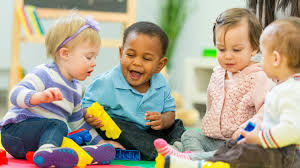
At around 2 years old, your toddler is entering a magical stage of development—where “me” slowly starts turning into “we.” Socialization at this age isn’t about having best friends or sharing perfectly (we wish!), but about learning how to play near others, observe behavior, and start forming early bonds. And yes, sometimes it involves grabbing toys, sudden hugs, and a few tears. It’s all part of the process.
This article explores age-appropriate social opportunities for toddlers and how you can support your child in learning empathy, turn-taking, and the joy of being with others.
Why Socialization Matters at Age 2
At this age, toddlers are:
- Learning through imitation
- Beginning to play side-by-side (parallel play)
- Starting to express preferences for certain peers
- Testing boundaries through social interactions
- Absorbing language and social cues rapidly
Early social experiences help lay the foundation for emotional regulation, communication, and conflict resolution—skills that will benefit them in preschool and beyond.
Great Socialization Opportunities for Toddlers
Here are some realistic and meaningful ways to support your child’s social growth:
1. Parent & Child Classes
Look for toddler-friendly music, dance, gym, or art classes. Even if kids are just wiggling around, they’re learning to share space and routines.
2. Playdates with Structure
Short and sweet is the key. Try 45–60 minutes with activities like water tables, chalk drawing, or simple snack time together.
3. Story Time at the Library
Local libraries often host free toddler story hours that include songs, movement, and group listening.
4. Park Playgrounds
The neighborhood park is a social lab. You’ll find toddlers learning patience on the slide and practicing “Can I have a turn?”
5. Parent Meetups or Playgroups
Check Facebook groups, community centers, or early childhood nonprofits for informal meetups. Bonus: you meet fellow caregivers too.
6. Childcare or Preschool
Even part-time attendance (a few mornings a week) in a toddler program provides rich social exposure in a structured setting.
7. Faith-Based or Cultural Groups
Churches, synagogues, and cultural associations often host toddler classes or seasonal events with built-in social activities.
Tips for Parents: Making the Most of Social Time
- Don’t stress about sharing. Sharing is a learned skill, not an instant one. Narrate what’s happening instead: “You’re using the red truck now; we’ll give your friend a turn next.”
- Watch for signs of overload. Some kids may need breaks or prefer observing before jumping in. That’s okay.
- Model social behavior. Say hello, use polite words, and help your child learn to greet or say goodbye to others.
- Keep expectations low and consistent. A meltdown doesn’t mean failure—it means your child is processing big feelings and learning.
Video Resources:
English:
Spanish:
Resources in Westchester:
- Westchester County Library System – Storytimes and toddler events
Website: https://www.westchesterlibraries.org - Family Services of Westchester – ParentChild+ Program
Phone: (914) 937-2320
Website: https://www.fsw.org - Child Care Council of Westchester – Find playgroups and toddler programs
Phone: (914) 761-3456
Website: https://www.childcarewestchester.org
Final Thought:
Socialization doesn’t mean having a ton of friends or the perfect playdate—it’s about exposure, practice, and connection. Every peek-a-boo, every sandbox debate, and every shared snack is a chance for your child to grow into their own social self. And you’re doing a great job helping them get there.
Legal Disclaimer: The information provided by our nonprofit is for informational purposes only and not a substitute for professional medical advice, diagnosis, or treatment. Always consult a qualified healthcare provider for medical concerns. We make no guarantees about the accuracy or completeness of the information and are not liable for any decisions made based on it. If you have a medical emergency, call 911 or seek immediate medical care.