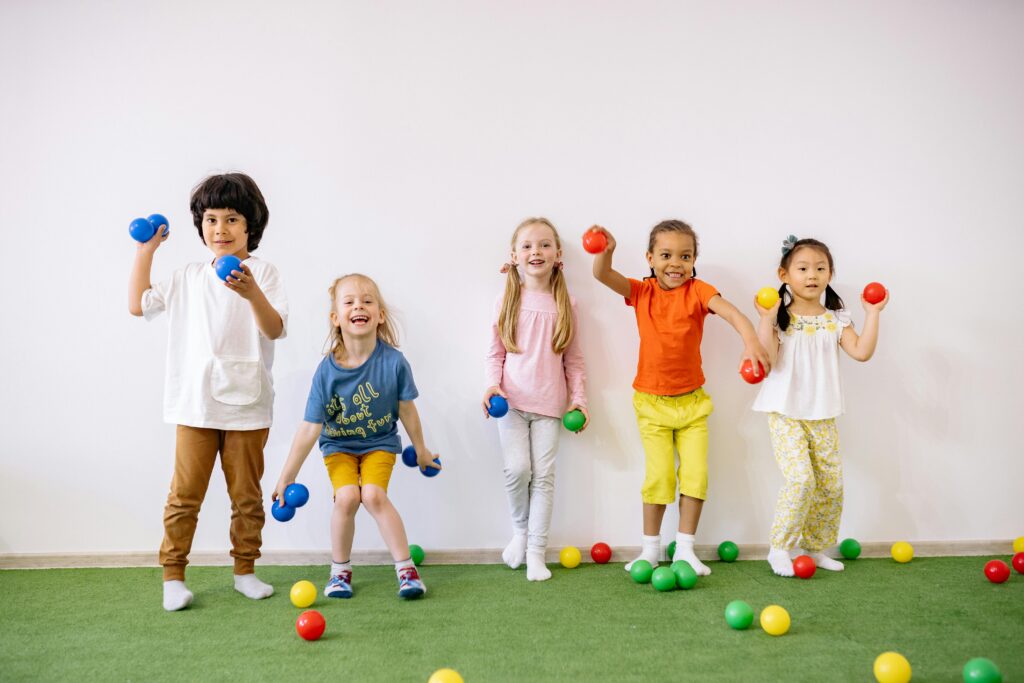
Your 4-year-old is naturally curious about the world. They notice that people look different, speak different languages, and have different families. This is the perfect time to teach them about diversity in a positive way.
Why Talk About Differences Now?
Young children are always watching and learning. By age 4, they already notice differences in skin color, hair, and families. If we don’t talk about these differences, children might feel confused or scared. When we celebrate differences early, children learn that diversity is normal and beautiful.
Teaching about diversity helps your child:
- Feel comfortable around all kinds of people
- Show kindness to everyone
- Build confidence in who they are
- Get ready for our diverse world
What 4-Year-Olds Can Understand
Preschoolers think in simple, concrete ways. They can learn:
People Look Different: We have different skin colors, hair, and eyes. All are beautiful.
Families Come in All Sizes: Some families have two parents. Some have one. Some children live with grandparents or other family members.
Different Languages: People speak many different languages around the world.
Various Traditions: Families celebrate different holidays and have special customs.
Different Abilities: Some people use wheelchairs, glasses, or hearing aids to help them.
All People Have Feelings: Everyone wants to be treated with kindness and respect.
Simple Ways to Start Conversations
Answer Questions Honestly
When your child asks, “Why does she look different?” don’t shush them. Answer simply:
“People come in all different colors, just like flowers in a garden. Isn’t that wonderful?”
“Her family speaks Spanish at home. Your family speaks English. Both languages are special.”
“He uses a wheelchair to help him move around, just like you use your legs.”
Use Everyday Moments
At the Park: “Look at all the different families playing here. Some families have two moms, some have a mom and dad, and some have just one parent.”
Reading Books: Point out characters who look different from your family. “This little girl has darker skin than you. She’s beautiful, just like you are.”
At the Store: “Do you hear that family speaking a different language? They might be from another country.”
Fun Activities That Celebrate Differences
Around the House
Family Photo Wall: Put up pictures of different kinds of families. Talk about how all families are special.
World Music Dance Party: Play music from different countries. Dance and talk about how people everywhere love music.
Cultural Dress-Up: Let your child try on clothes from different cultures. Explain where they come from.
Cooking Adventures: Make simple foods from other countries. Try making tacos, rice and beans, or pasta.
Art and Creativity
Self-Portraits: Draw pictures of your family. Use different colored crayons for skin, hair, and eyes.
Flag Coloring: Color flags from different countries. Talk about how each one is special.
Handprint Art: Use different colored paint to make handprints. Show how beautiful they all look together.
Multicultural Crafts: Make simple crafts from different cultures, like paper lanterns or friendship bracelets.
Books That Celebrate Diversity
Reading together is one of the best ways to teach about differences. Here are great books for 4-year-olds:
About Skin Color:
- “The Colors of Us” by Karen Katz
- “All the Colors We Are” by Katie Kissinger
- “The Skin You Live In” by Michael Tyler
About Different Families:
- “Families Are Different and Alike” by Bobbie Kalman
- “In Our Mothers’ House” by Patricia Polacco
- “A Family Is a Family Is a Family” by Sara O’Leary
About Abilities:
- “We’re All Wonders” by R.J. Palacio
- “Different Like Me” by Jennifer Elder
- “Rolling Along: The Story of Taylor and His Wheelchair” by Jamee Riggio Heelan
About Culture:
- “Last Stop on Market Street” by Matt de la Peña
- “Everywhere Babies” by Susan Meyers
- “The Name Jar” by Yangsook Choi
What Not to Say
Avoid these common phrases that might confuse or hurt:
Don’t Say: “I don’t see color.” Instead Say: “People come in beautiful different colors.”
Don’t Say: “We’re all the same inside.” Instead Say: “We all have feelings and want to be treated kindly, even though we look different.”
Don’t Say: “Don’t stare.” Instead Say: “It’s okay to notice differences. Let’s learn about them.”
Don’t Say: “That’s weird or strange.” Instead Say: “That’s different from our family, and that’s okay.”
Handling Difficult Moments
When Your Child Says Something Embarrassing
If your child says something inappropriate in public, stay calm:
- Don’t get angry or embarrassed
- Briefly correct them: “Actually, all skin colors are beautiful”
- Apologize to the other person if needed
- Have a longer conversation at home later
When Your Child Faces Exclusion
If someone excludes your child because they’re different:
- Comfort your child and validate their feelings
- Explain that the other person made a poor choice
- Remind them they are wonderful just as they are
- Help them find friends who appreciate them
Building an Inclusive Home
Choose Diverse Toys: Pick dolls, action figures, and puzzles that show different races and abilities.
Watch Inclusive Shows: Choose TV shows and movies with diverse characters in positive roles.
Attend Cultural Events: Go to festivals, parades, or community events that celebrate different cultures.
Make Diverse Friends: Seek out playgroups and activities where your child meets different kinds of families.
Teaching Through Your Actions
Children learn more from what they see than what they hear. Show them how to:
Be Welcoming: Smile and greet all kinds of people
Ask Questions: Show curiosity about other cultures in respectful ways
Stand Up for Others: Speak up when someone says something unkind
Include Everyone: Make sure all children feel welcome in your home
Signs Your Child is Learning
Watch for these positive signs:
- They show curiosity about differences without fear
- They include children who look different from them in play
- They ask respectful questions about other cultures
- They show kindness to people with disabilities
- They feel proud of their own family and background
Age-Appropriate Responses to Big Questions
“Why is her skin brown?” “People have different skin colors, just like they have different colored hair and eyes. It’s one of the things that makes each person special.”
“Why does he talk funny?” “He speaks a different language or has an accent. That’s not funny – that’s interesting! Maybe we can learn some words in his language.”
“Why can’t she walk?” “Her legs work differently than yours. She uses a wheelchair to help her get around. She can still play and have fun, just in her own way.”
Resources for Parents
Organizations:
- Teaching Tolerance (free resources for families)
- National Association for the Education of Young Children
- Anti-Defamation League (family resources)
Websites:
- PBS Parents (diversity activities and tips)
- Common Sense Media (reviews of diverse books and shows)
- Embrace Race (resources for talking about race with kids)
Local Resources:
- Children’s museums often have diversity exhibits
- Libraries host multicultural story times
- Community centers offer cultural events
- Schools may have diversity programs for families
Remember the Goal
The goal isn’t to raise a child who is “colorblind” to differences. Instead, you want to raise a child who sees differences, appreciates them, and treats everyone with kindness and respect.
Start these conversations early and keep them going. Your 4-year-old is building the foundation for how they’ll see the world. Help them see it as a beautiful, diverse place where everyone belongs.
When children learn to celebrate differences early, they grow up to be more compassionate, confident, and successful in our diverse world. The conversations you have today will shape the adult your child becomes tomorrow.
Video Resources:
English:
Spanish:
Westchester County Resources
Teaching Your 4-Year-Old About Diversity: A Parent’s Guide
Family & Community Resources
- Westchester Library System
Local libraries offer multicultural story times, inclusive children’s books, family programming, and educational events that celebrate different cultures, backgrounds, and experiences.
Website: Westchester Library System - Westchester Jewish Community Services
Provides family support services, educational programs, counseling resources, and community initiatives focused on inclusion, empathy, and emotional development.
Website: Westchester Jewish Community Services - Family Services of Westchester
Offers family support programs, counseling services, and community education that encourage healthy social and emotional development.
Website: Family Services of Westchester - Child Care Council of Westchester
Provides parenting education, early childhood development resources, and family support services that promote inclusion and positive social learning.
Website: Child Care Council of Westchester
Educational & Child Development Resources
- National Association for the Education of Young Children
Offers evidence-based resources on diversity, inclusion, empathy, social-emotional learning, and culturally responsive parenting practices.
Website: NAEYC Family Resources - American Academy of Pediatrics HealthyChildren.org
Provides guidance on discussing differences, kindness, inclusion, race, culture, disabilities, and empathy with young children.
Website: HealthyChildren.org - Sesame Workshop
Offers child-friendly videos, books, and activities focused on kindness, understanding differences, emotional learning, and inclusion.
Website: Sesame Workshop Resources - Learning for Justice
Provides educational resources and family tools focused on diversity, fairness, empathy, identity, and inclusion for children.
Website: Learning for Justice
Community & Family Support
- 211 Hudson Valley
Connects families with community programs, counseling services, childcare resources, support groups, and educational assistance programs.
Dial 211
Website: 211 Hudson Valley
Bibliography
- American Academy of Pediatrics. HealthyChildren.org Parenting Resources.
HealthyChildren.org - National Association for the Education of Young Children. Diversity & Inclusion Resources.
NAEYC Family Resources - Learning for Justice. Teaching Diversity & Empathy Resources.
Learning for Justice - Sesame Workshop. Social-Emotional & Inclusion Resources for Families.
Sesame Workshop Resources - Centers for Disease Control and Prevention. Child Development Resources.
CDC Child Development Resources
Legal Disclaimer: The information provided by our nonprofit is for informational purposes only and not a substitute for professional medical advice, diagnosis, or treatment. Always consult a qualified healthcare provider for medical concerns. We make no guarantees about the accuracy or completeness of the information and are not liable for any decisions made based on it. If you have a medical emergency, call 911 or seek immediate medical care.