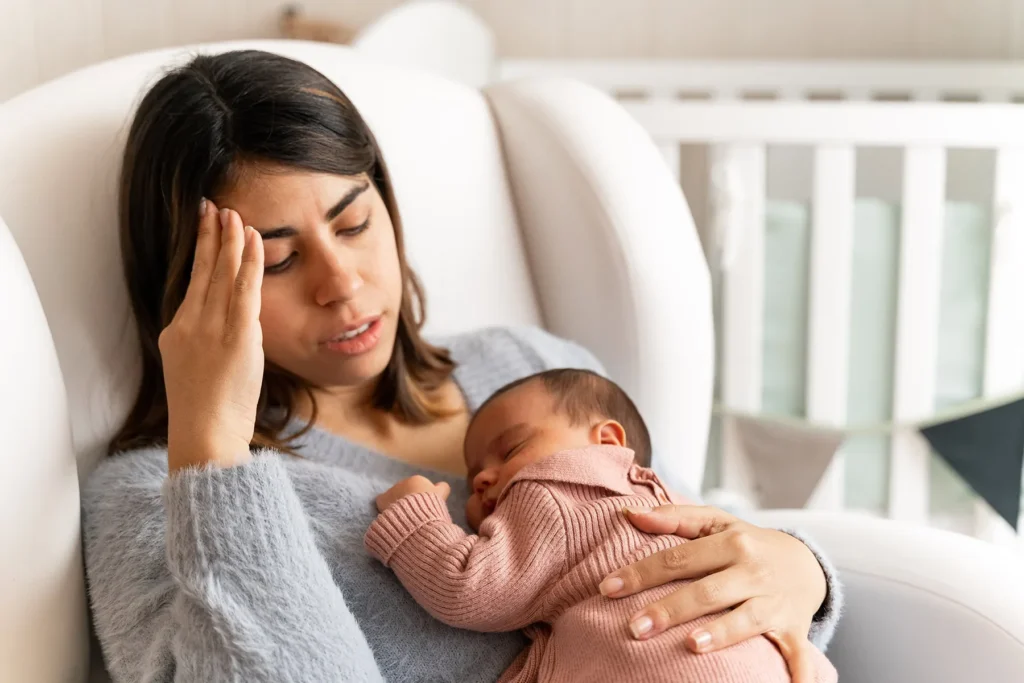

Having a baby is supposed to be one of the happiest times in your life. But for many new mothers, it can also be one of the most difficult. If you’re feeling sad, anxious, or overwhelmed after having a baby, you’re not alone. Postpartum depression (PPD) affects 1 in 8 new mothers, and it’s nothing to be ashamed of.
What is Postpartum Depression?
Postpartum depression is a serious but treatable condition that affects new mothers after giving birth. It’s much more than just “baby blues” – it’s a real medical condition that can make it hard to care for yourself and your baby.
PPD can start anytime during the first year after having a baby, but it most often begins within the first few weeks or months. It’s important to know that PPD is not your fault, and it doesn’t mean you’re a bad mother.
The Difference Between Baby Blues and PPD
Baby Blues (Normal):
- Affects up to 80% of new mothers
- Starts 2-3 days after birth
- Lasts 2-3 weeks
- Symptoms include crying, mood swings, and feeling overwhelmed
- Gets better on its own with rest and support
Postpartum Depression (Needs Treatment):
- Affects 1 in 8 new mothers
- Can start anytime in the first year
- Lasts weeks or months without treatment
- Symptoms are more severe and interfere with daily life
- Requires professional help to get better
Symptoms of Postpartum Depression
PPD affects every woman differently, but common symptoms include:
Emotional Symptoms
- Feeling sad, hopeless, or empty most of the time
- Feeling guilty, worthless, or like a failure as a mother
- Feeling disconnected from your baby
- Worrying excessively about your baby or having no interest in your baby
- Feeling anxious, panicked, or scared
- Having mood swings or feeling irritable
- Crying more than usual or feeling like you can’t stop crying
Physical Symptoms
- Extreme tiredness or loss of energy
- Changes in appetite (eating too much or too little)
- Trouble sleeping, even when the baby is sleeping
- Headaches, stomachaches, or muscle pain
- Feeling restless or having trouble sitting still
Behavioral Symptoms
- Having trouble making decisions
- Having trouble concentrating or remembering things
- Withdrawing from family and friends
- Losing interest in activities you used to enjoy
- Having thoughts about hurting yourself or your baby
Risk Factors
Some factors may increase your risk of developing PPD:
Medical Factors:
- History of depression or anxiety
- Hormonal changes after birth
- Complications during pregnancy or delivery
- Premature birth or baby health problems
- Difficulty breastfeeding
Life Factors:
- Lack of support from family or friends
- Relationship problems
- Financial stress
- Unplanned pregnancy
- Young age (under 20)
- Substance abuse
Previous Experiences:
- Previous postpartum depression
- Family history of depression
- Stressful life events during pregnancy
When to Seek Help
Seek help immediately if you have:
- Thoughts of hurting yourself or your baby
- Thoughts of suicide
- Severe anxiety or panic attacks
- Hallucinations or hearing voices
- Inability to care for yourself or your baby
Seek help soon if you have:
- Symptoms that last more than 2 weeks
- Symptoms that are getting worse
- Difficulty bonding with your baby
- Trouble functioning in daily life
- Persistent feelings of guilt or worthlessness
Treatment Options
The good news is that PPD is very treatable. With proper help, most women feel much better within a few months.
Therapy
Cognitive Behavioral Therapy (CBT): CBT is a commonly used and effective therapy that focuses on developing coping skills, implementing self-care practices, and working towards more helpful thinking patterns and behaviors that facilitate mood improvement.
Interpersonal Therapy: Interpersonal psychotherapy is another commonly used and effective therapy that focuses on improving relationships and communication.
Support Groups: Connecting with other mothers who understand what you’re going through can be incredibly helpful.
Medication
- Antidepressants can be safe and effective for treating PPD
- Many are safe to take while breastfeeding
- Your doctor will work with you to find the right medication and dosage
- It may take several weeks to feel the full effects
Lifestyle Changes
- Getting enough sleep (when possible)
- Eating nutritious meals
- Gentle exercise, like walking
- Spending time with supportive friends and family
- Accepting help from others
Support Resources
National Resources
Postpartum Support International:
- Helpline: 1-800-944-4773
- Text: 503-894-9453
- Website: postpartum.net
- Live chat support available
Crisis Text Line:
- Text HOME to 741741
- Free, confidential crisis support 24/7
National Suicide Prevention Lifeline:
- Call 988
- Available 24/7
Local Westchester County Resources
Postpartum Resource Center of New York: Offers parental mental health peer support program with peer coaches and maternal mental health peer support program with free virtual support meetings. Serving New York State families since 1998. Open 7 days a week, 9am–5pm. All calls are returned the same day.
Lower Hudson Valley Perinatal Network: Offers support groups and services for mothers and families. Visit the website for more information: Children’s Health & Research Foundation, Inc.
Birth Education Beyond the Ordinary (BEBO): Provides low-cost labor, postpartum, lactation and childbirth education support to families throughout Westchester County.
Additional Professional Support: Group therapy in Westchester County is led by therapists and is generally structured around specific issues, with therapists guiding groups through programs.
Call 211 in Westchester and Putnam county for help and support! They can provide you with free resources.
Online Resources
Postpartum Progress:
- Website: postpartumprogress.com
- Blog and resources for mothers with PPD
The Motherhood Center:
- Offers online support and resources
- Educational materials about maternal mental health
2020 Mom:
- Website: 2020mom.org
- Information and support for perinatal mental health
How Family and Friends Can Help
If someone you know is struggling with PPD:
Do:
- Listen without judgment
- Offer specific help (cooking, cleaning, childcare)
- Encourage them to seek professional help
- Check in regularly
- Be patient and understanding
Don’t:
- Tell them to “snap out of it” or “just think positive”
- Minimize their feelings
- Give unsolicited advice about parenting
- Take their mood personally
- Leave them alone if they’re having thoughts of self-harm
Taking Care of Yourself
Self-Care Strategies
- Rest whenever possible
- Ask for and accept help
- Eat regular, nutritious meals
- Get fresh air and sunlight
- Connect with other mothers
- Practice relaxation techniques
- Set realistic expectations for yourself
Building Your Support Network
- Join new mother groups
- Connect with neighbors or friends who have children
- Consider hiring help for housework or childcare
- Use family support when available
- Find online communities of mothers
Recovery and Hope
Recovery from PPD is possible, and most women do get better with proper treatment. Remember:
- PPD is not your fault
- You are not alone
- It’s okay to ask for help
- Treatment works
- You can still be a good mother while having PPD
- Taking care of yourself helps you take care of your baby
Signs of Recovery
- Feeling more like yourself again
- Enjoying activities you used to love
- Feeling connected to your baby
- Having more energy
- Sleeping better
- Feeling hopeful about the future
When to Call for Emergency Help
Call 911 or go to the emergency room if:
- You have thoughts of hurting yourself or your baby
- You’re having thoughts of suicide
- You’re experiencing hallucinations
- You feel like you might act on harmful thoughts
- You’re unable to care for yourself or your baby
Important Reminders
- PPD is a medical condition, not a character flaw
- Seeking help shows strength, not weakness
- Treatment is available and effective
- You deserve to feel better
- Your baby needs you to be healthy
- Recovery takes time, but it will happen
Moving Forward
Having postpartum depression doesn’t mean you’re a bad mother. It means you’re human, and you’re going through a difficult time that many women experience. With proper support and treatment, you can feel like yourself again and enjoy this special time with your baby.
Don’t wait to get help. The sooner you reach out, the sooner you can start feeling better. You deserve support, and your baby deserves a healthy, happy mother.
Remember: You are not alone, this is not your fault, and you will get better.
Video Resources:
English:
Spanish:
Westchester County Resources
Understanding Postpartum Depression: Symptoms and Support
Mental Health & Family Support Resources
- Postpartum Support International
Provides support groups, educational resources, crisis support, and a provider directory for postpartum depression, anxiety, and perinatal mental health concerns.
Helpline: 1-800-944-4773
Website: Postpartum Support International - Westchester Jewish Community Services
Offers mental health counseling, family support services, parenting resources, and emotional wellness programs for individuals and families.
Website: Westchester Jewish Community Services - Family Services of Westchester
Provides counseling services, crisis support, family mental health resources, and community wellness programs.
Website: Family Services of Westchester - NAMI Westchester
Offers mental health education, peer support groups, crisis resources, and family support services.
Website: NAMI Westchester
Medical & Maternal Health Resources
- Open Door Family Medical Center
Provides maternal healthcare, behavioral health services, pediatric care, and referrals for mental health treatment and support.
Website: Open Door Family Medical Center - Westchester County Department of Health
Offers maternal and child health resources, wellness information, and referrals for healthcare services.
Website: Westchester County Department of Health - The Motherhood Center of New York
Specializes in treatment and support for postpartum depression, postpartum anxiety, and maternal mental health concerns.
Website: The Motherhood Center
Crisis & Emergency Support
- 988 Suicide & Crisis Lifeline
Free 24/7 emotional support and crisis intervention for individuals experiencing mental health crises, emotional distress, or suicidal thoughts.
Call or text 988
Website: 988 Lifeline - 211 Hudson Valley
Connects families with mental health services, childcare resources, food assistance, support groups, and community programs.
Dial 211
Website: 211 Hudson Valley
Bibliography
- Postpartum Support International. Postpartum Mental Health Resources.
Postpartum Support International - American College of Obstetricians and Gynecologists. Maternal Mental Health Resources.
ACOG Maternal Mental Health Resources - National Institute of Mental Health. Perinatal & Postpartum Depression Information.
National Institute of Mental Health - Centers for Disease Control and Prevention. Postpartum Depression Resources.
CDC Postpartum Depression Resources - Mayo Clinic. Postpartum Depression Information.
Mayo Clinic Postpartum Depression Overview