
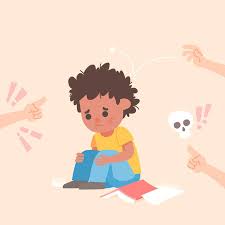
Dealing with New Fears and Anxieties in 3-Year-Olds
Three‑year‑olds are growing in awareness—and imagination. What once was fun now triggers fear: shadows, loud noises, new caregivers. These anxieties

Three‑year‑olds are growing in awareness—and imagination. What once was fun now triggers fear: shadows, loud noises, new caregivers. These anxieties
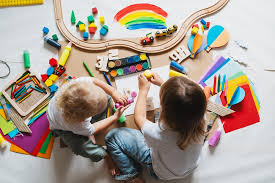
At age three, kids are mini inventors—coloring outside the lines, building block cities, and narrating epic stories about stuffed animals.
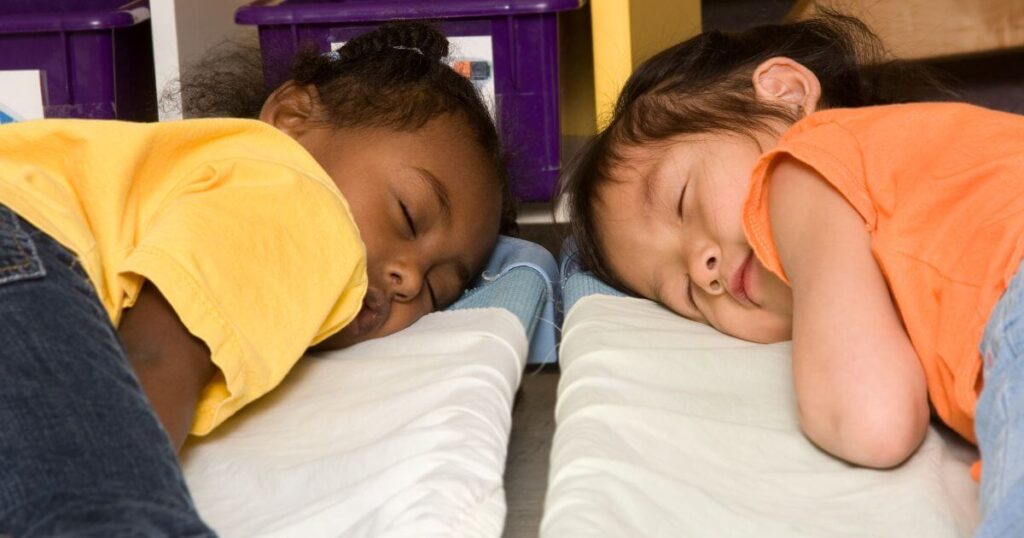
As toddlers enter the preschool stage, their daily routines begin to shift—including how, when, and whether they nap. Around age
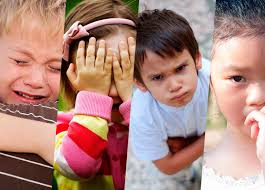
By age 3, children aren’t just feeling happy, mad, or sad—they’re starting to experience mixed, intense, and sometimes confusing emotions
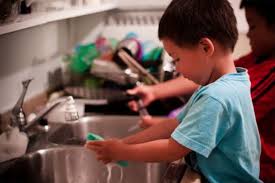
If your 3-year-old has recently demanded to put on their own shoes (on the wrong feet), pour their own milk
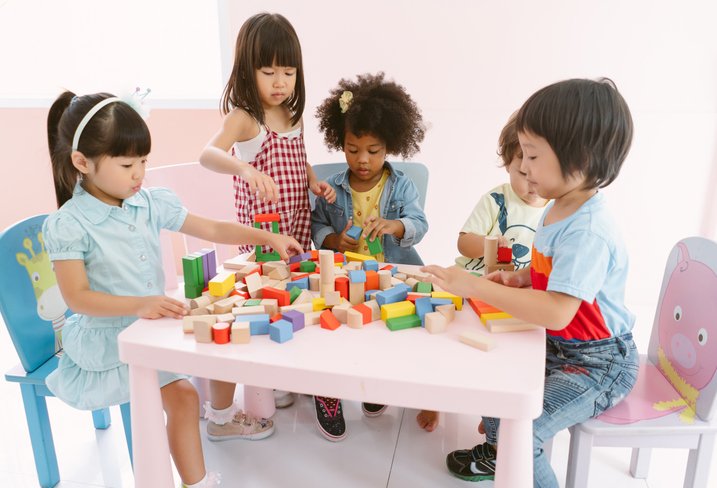
Creativity at age 3 isn’t just about drawing rainbows or pretending to be a dinosaur (though that’s part of it).
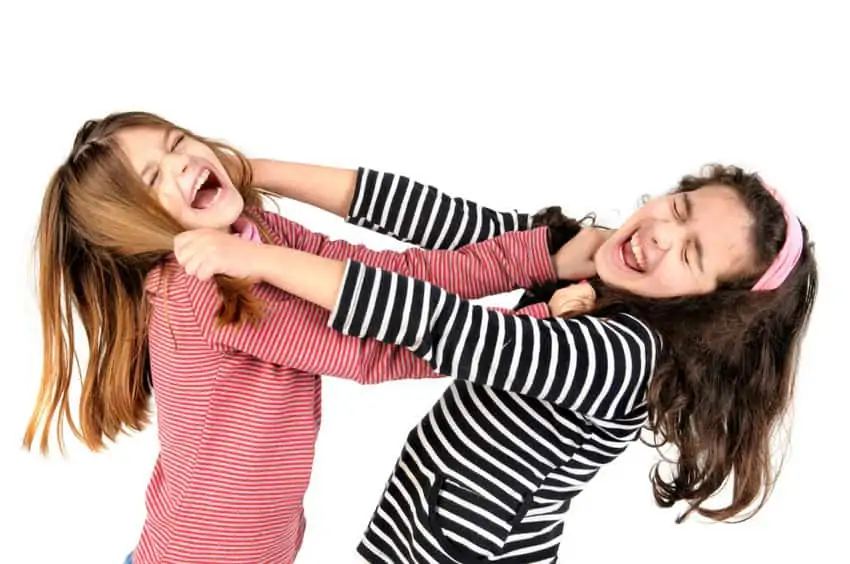
Three-year-olds are little boundary-testers in training. They’re not being “bad”—they’re being curious. They’re figuring out, What happens if I say

At age 3, routines are more than just a schedule—they’re a source of security. Young children thrive on predictability. Knowing
By age 3, your child is turning into a chatterbox—and that’s a beautiful thing. They may be asking “Why?” every
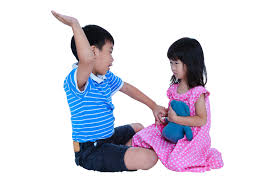
At age 3, children are bursting with new words, ideas, and emotions—but they don’t always have the tools to manage

