

Building Emotional Intelligence at Age 5
By age 5, children are beginning to develop more complex emotions, stronger relationships, and a budding understanding of social cues.

By age 5, children are beginning to develop more complex emotions, stronger relationships, and a budding understanding of social cues.
The phrase “school readiness” gets thrown around a lot, especially as children approach kindergarten. But what does it actually mean

By age 5, kids are standing on the edge of the “big kid” world—full of imagination, curiosity, energy, and, let’s

Parenting a neurodiverse child is a journey of discovery—one filled with beautiful surprises, emotional highs and lows, and the kind

Why It’s Hard, Why It Matters, and How to Support It Every Day Empathy and sharing sound like big concepts
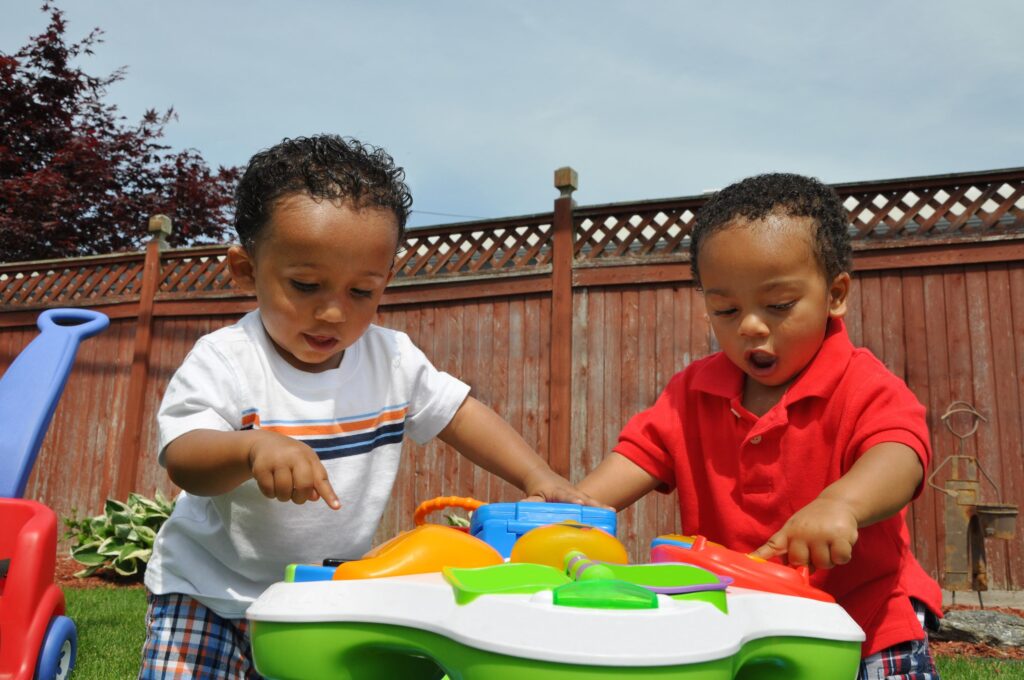
What’s Happening, What to Expect, and How to Support Their Growth By age two, toddlers have become full-blown movers and

When a toddler becomes an older sibling, it can be a huge shift — for them and for you. One

Because You Deserve a Village That Has Your Back Bringing a baby into the world is a huge deal. From

Pregnancy is a time of profound change—physically, mentally, and emotionally. Gentle movement like prenatal yoga isn’t just safe; it carries
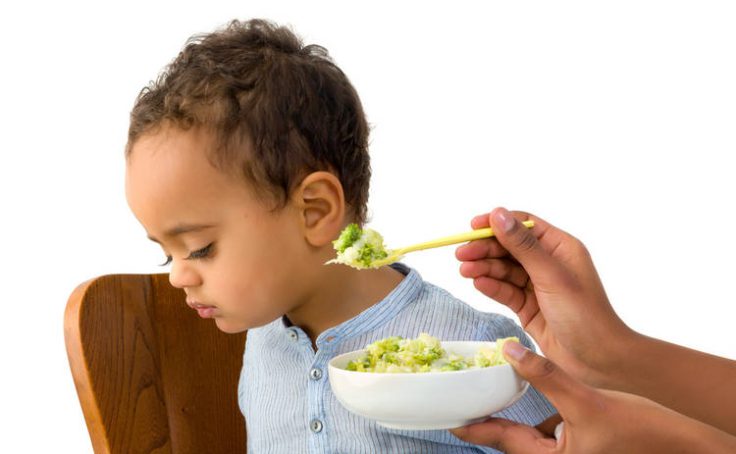
A Growing Together Guide for Parents of 12–24 Month-Olds Mealtime with a toddler can sometimes feel like a tiny food

