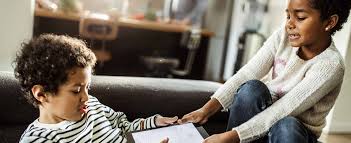
At age five, your child is developing stronger emotions, more self-awareness, and a laser-sharp sense of fairness. Sounds great, right? Well, it can be. But it also means your once-peaceful living room may now resemble a WWE ring every time someone gets the bigger cookie, more screen time, or dares to breathe near their favorite toy. Welcome to the world of sibling rivalry and childhood jealousy.
Don’t panic—this is not only normal, it’s actually an opportunity to build lifelong skills like empathy, patience, and communication. Here’s how to support your five-year-old through those tricky feelings of “it’s not fair” and “but they always get to.”
Understanding Where Jealousy Comes From at Age 5
Five-year-olds are at a fascinating developmental stage. They’re just beginning to realize that other people have thoughts and feelings, but they still view the world mainly through their own experience. This makes them especially prone to:
- Believing fairness means everything is the same
- Competing for attention from caregivers
- Becoming possessive over toys, routines, or even people
- Struggling to regulate strong emotions like anger or envy
Their brains are still learning how to pause, reflect, and respond—so most of the time, they just react.
Tools to Handle Jealousy and Sibling Rivalry
1. Name the Feeling
Help your child label what they’re experiencing. When you say,
“It sounds like you’re feeling jealous because your sister picked the movie,”
you help them build emotional vocabulary. When they can name it, they can begin to tame it.
2. Teach That Fair Doesn’t Always Mean Equal
This is a tough one. Young kids often assume “same” equals “fair.” But life—and parenting—doesn’t work that way. Tell your child,
“Fair means everyone gets what they need, not always the same thing.”
Offer concrete examples:
“Your baby brother needs help putting on shoes. You don’t. That’s fair.”
3. Create One-on-One Time
Children are more likely to lash out when they feel overlooked. Build in short bursts of quality time with just your five-year-old. Even ten minutes of playing their favorite game or reading a book together, distraction-free, can reinforce their sense of connection.
4. Build Empathy Through Stories
Reading books where characters experience jealousy or frustration helps children step into someone else’s shoes. Ask questions like:
- “Why do you think she felt that way?”
- “What would you do if that happened to you?”
Try books like Julius, the Baby of the World by Kevin Henkes or The Berenstain Bears and the Green-Eyed Monster by Stan and Jan Berenstain.
5. Use a Cool-Down Space
Instead of time-outs as punishment, create a calm corner where your child can go to reset. Equip it with soft pillows, calming toys, or a jar of glitter. Teach them that taking space when angry or overwhelmed is a tool, not a consequence.
6. Be a Role Model for Conflict Resolution
Your kids are watching. All. The. Time. Narrate your own feelings and how you handle them:
“I’m upset that the car wouldn’t start, but I’m going to take a deep breath and think through my next step.”
When they see emotional regulation in action, they learn how to do it themselves.
Dos and Don’ts
| Do | Don’t |
|---|---|
| Provide each child with dedicated attention. | Compare siblings to each other. |
| Validate feelings without judgment. | Tell them they shouldn’t feel jealous. |
| Talk about what fairness means in your family. | Use phrases like “you’re being dramatic.” |
| Celebrate cooperative play and teamwork. | Shame or punish jealousy. |
| Encourage problem-solving between siblings. | Ignore repeated patterns of conflict. |
What Success Looks Like
With consistent support, your child can:
- Learn to express jealousy and frustration in words, not actions
- Understand the difference between fairness and sameness
- Build empathy and patience
- Strengthen sibling bonds and reduce rivalry over time
You’re not aiming for a sibling rivalry–free home (good luck with that). You’re helping your child grow the tools to manage their feelings—and that’s a lifelong gift.
Video Resources:
English:
Spanish:
Local Resources for Westchester Families
Westchester Jewish Community Services (WJCS)
Child and family counseling, parenting support, and sibling guidance
White Plains, NY
(914) 761-0600
www.wjcs.com
Child Care Council of Westchester
Workshops on child development and parenting strategies
Scarsdale, NY
(914) 761-3456
www.childcarewestchester.org
The Guidance Center of Westchester
Counseling services for children and families
Mount Vernon, NY
(914) 613-0700
www.theguidancecenter.org
Bibliography
- Faber, A., & Mazlish, E. (2012). Siblings Without Rivalry: How to Help Your Children Live Together So You Can Live Too. HarperCollins.
- Denham, S. A. (2006). Social–emotional competence as support for school readiness: What is it and how do we assess it? Early Education and Development.
- American Academy of Pediatrics. (2020). Helping Kids Deal with Sibling Rivalry. healthychildren.org
Legal Disclaimer: The information provided by our nonprofit is for informational purposes only and not a substitute for professional medical advice, diagnosis, or treatment. Always consult a qualified healthcare provider for medical concerns. We make no guarantees about the accuracy or completeness of the information and are not liable for any decisions made based on it. If you have a medical emergency, call 911 or seek immediate medical care.