
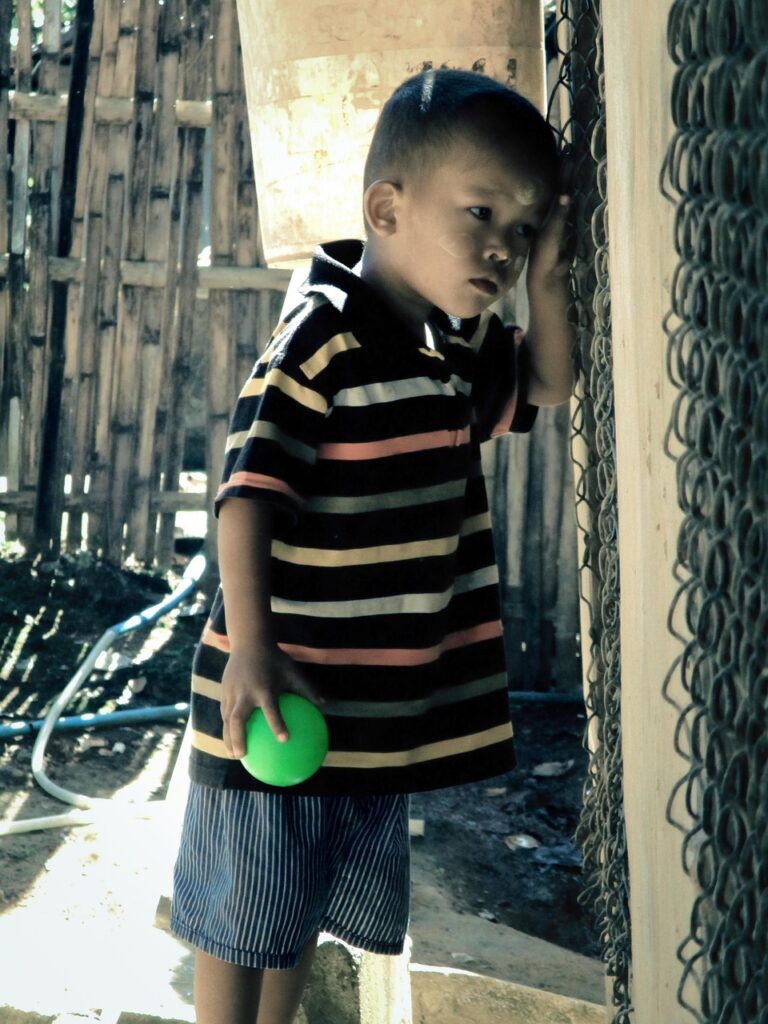
Understanding Your Sensitive Child
Does your four year old get upset by loud noises? Do they notice things other kids miss? Are they deeply affected by sad movies or when someone’s feelings get hurt? Your child might be highly sensitive, and that’s perfectly normal!
About 1 in 5 children are born highly sensitive. This isn’t a problem to fix – it’s just how their brain works. Highly sensitive children feel things more deeply and notice more details in their world.
Signs Your Child May Be Highly Sensitive
Your child might:
Notice Everything:
- Hear sounds others don’t notice (like the hum of lights)
- Feel bothered by scratchy clothing tags
- Notice when someone seems sad or upset
- See small details in pictures or books
Feel Things Deeply:
- Cry easily when overwhelmed
- Get very excited about happy events
- Worry about others getting hurt
- Need time to warm up to new people
Think Before Acting:
- Watch other kids play before joining in
- Ask lots of questions about new activities
- Take time to make decisions
- Prefer familiar routines
Get Overwhelmed Easily:
- Have meltdowns in busy, loud places
- Need quiet time after social events
- Feel tired after exciting days
- Want to leave parties early
The Good News About Sensitivity
Highly sensitive children have many wonderful qualities:
- They’re caring: They notice when others need help
- They’re creative: They see beauty in art, music, and nature
- They’re thoughtful: They think carefully before making choices
- They’re loyal: They form deep friendships
- They’re aware: They notice danger and stay safe
- They’re empathetic: They understand how others feel
How to Support Your Sensitive Child
Create a Calm Home Environment
Reduce Overwhelming Stimulation:
- Keep TV volume low
- Use soft lighting instead of bright overhead lights
- Play gentle music during meals
- Have quiet spaces where your child can retreat
- Limit the number of toys out at one time
Establish Predictable Routines:
- Keep bedtime and wake-up times consistent
- Prepare your child for changes in advance
- Create visual schedules they can follow
- Have quiet time built into each day
Help Them Process Their Feelings
Validate Their Emotions:
- Say “I see you’re feeling overwhelmed” instead of “You’re being too dramatic”
- Let them know it’s okay to feel deeply
- Help them name their emotions
- Don’t try to “toughen them up”
Teach Coping Skills:
- Practice deep breathing together
- Create a cozy “calm down” corner
- Use comfort items like stuffed animals or blankets
- Try gentle movement like stretching or swaying
Prepare Them for New Experiences
Before Going Somewhere New:
- Describe what will happen step by step
- Visit the place ahead of time if possible
- Bring familiar comfort items
- Plan an exit strategy if they get overwhelmed
- Role-play what they might expect
At Social Events:
- Arrive early when it’s less crowded
- Stay close to your child initially
- Point out quiet spaces they can use
- Have a signal they can use if they need to leave
- Don’t force interactions with other children
School and Daycare Considerations
What to Tell Teachers:
Share Information About Your Child:
- Explain that they need time to warm up to new situations
- Let teachers know about sensory triggers (loud noises, bright lights)
- Suggest they check in with your child during transitions
- Ask for advance notice about special events or changes
Request Accommodations:
- A quiet space to retreat when overwhelmed
- Headphones for noisy activities
- Extra time to process instructions
- A buddy system for new activities
- Permission to step away from overwhelming situations
Signs School Might Not Be a Good Fit:
- Your child comes home exhausted every day
- They have frequent meltdowns after school
- Teachers say they’re “too emotional” or “need to toughen up”
- There’s no understanding of sensory needs
- Your child dreads going to school
Common Challenges and Solutions
“My Child Has Meltdowns in Public”
Prevention Strategies:
- Shop during less busy times
- Bring snacks and comfort items
- Plan shorter trips
- Let your child know the plan ahead of time
During a Meltdown:
- Stay calm yourself
- Find a quiet spot if possible
- Don’t try to reason with them in the moment
- Comfort them without judgment
- Leave if necessary – it’s okay!
“Other Parents Think I’m Too Protective”
Remember that you know your child best. Highly sensitive children do need different support than other kids. You’re not spoiling them – you’re helping them succeed.
Helpful Responses:
- “This approach works for our family”
- “Every child has different needs”
- “We’re building their confidence step by step”
“My Child Won’t Try New Things”
Gentle Encouragement:
- Start with very small steps
- Let them watch others first
- Practice at home before trying in public
- Celebrate small victories
- Don’t force participation
Local Resources in Westchester County
Professional Support:
Westchester County Department of Community Mental Health
- Phone: (914) 995-5220
- Counseling services for children and families
- Can help with coping strategies and emotional support
Child Development Centers:
- Westchester Medical Center Pediatric Behavioral Health: (914) 493-8333
- Burke Rehabilitation Hospital: (914) 597-2500 (occupational therapy for sensory issues)
Parent Support and Education:
Westchester Library System
- Many branches offer parenting workshops and support groups
- Quiet story times that may work better for sensitive children
- Books and resources about highly sensitive children
Family Service Society of Yonkers
- Phone: (914) 965-3700
- Parenting classes and family counseling
Child Care Council of Westchester
- Phone: (914) 761-3456
- Can help find daycare and preschool programs that understand sensitive children
Calming Activities and Programs:
Nature Centers:
- Greenburgh Nature Center (Scarsdale): Quiet, outdoor learning
- Teatown Lake Reservation (Ossining): Gentle nature programs
- Ward Pound Ridge Reservation: Peaceful hiking trails
Libraries with Quiet Programs:
- Many offer sensory-friendly story times
- Quiet play areas and reading nooks
- Check individual branch schedules
Art and Music Programs:
- Westchester Conservatory of Music: Individual lessons in quiet settings
- ArtsWestchester: Creative programs that allow self-expression
- Local art studios with small class sizes
Occupational Therapy Services:
If your child has significant sensory challenges, occupational therapy can help:
- Blythedale Children’s Hospital (Valhalla): (914) 592-7555
- Stepping Stones (multiple locations): (914) 923-5454
- Private practice therapists throughout Westchester
Building Your Child’s Confidence
Focus on Strengths:
Point Out Their Special Abilities:
- “You noticed that bird’s beautiful song!”
- “You’re so caring when your friend was sad”
- “You thought carefully before making that choice”
- “Your artwork shows such attention to detail”
Create Success Experiences:
- Choose activities that match their interests
- Provide plenty of practice time
- Celebrate effort, not just results
- Build on small successes
Help Them Understand Themselves:
Age-Appropriate Explanations:
- “Your brain notices more things than other kids”
- “You have big feelings, and that’s special”
- “Some people need quiet time to feel their best”
- “You’re like a special radar that picks up details”
Working with Extended Family
Educating Relatives:
Sometimes grandparents or other family members don’t understand highly sensitive children. Help them learn by:
Sharing Information:
- Explain that sensitivity is inborn, not learned
- Give specific examples of your child’s needs
- Suggest ways they can help
- Ask for patience during the learning process
Setting Boundaries:
- It’s okay to limit overwhelming family gatherings
- Ask relatives to follow your child’s lead
- Explain consequences of pushing too hard
- Focus on quality time over quantity
Creating a Support Network
Find Understanding Parents:
Look for Other Families With Sensitive Children:
- Join online support groups
- Connect through your child’s school or daycare
- Attend parenting workshops
- Ask your pediatrician for referrals
Playdate Tips:
- Start with one-on-one playdates
- Keep them short initially
- Choose calm activities
- Meet in familiar places
- Have an exit plan
When to Seek Professional Help
Consider Getting Support If:
- Your child’s sensitivity interferes with daily life
- They have frequent, intense meltdowns
- They avoid all new experiences
- They seem anxious or depressed
- Family stress is high
- You need coping strategies
- School is consistently difficult
Types of Professionals Who Can Help:
Child Psychologists: Help with emotional regulation and coping skills Occupational Therapists: Address sensory processing challenges
Family Therapists: Support the whole family system School Counselors: Provide support in educational settings
Need Help Finding Support? Call 2-1-1
Dial 2-1-1 from any phone for free assistance!
2-1-1 can help you find:
- Mental health services for children
- Support groups for parents
- Therapeutic programs and services
- Financial assistance for therapy
- Educational advocacy resources
- Respite care options
The service is available 24/7 in multiple languages. You can also visit https://www.211hudsonvalley.org/ to search online for local resources.
Celebrating Your Sensitive Child
Remember These Important Truths:
Your Child Is Not Broken: Sensitivity is a normal trait, not a disorder to cure.
You’re Not Doing Anything Wrong: Highly sensitive children need different parenting approaches.
It Gets Easier: As your child grows, they’ll develop better coping skills.
Their Sensitivity Is a Gift: The world needs people who notice details and care deeply.
You’re the Expert: Trust your instincts about what your child needs.
Looking Toward the Future
Highly sensitive children often grow up to be:
- Compassionate leaders
- Creative artists
- Thoughtful decision-makers
- Loyal friends
- Caring professionals
The sensitivity that feels challenging now will become one of their greatest strengths. Your job is to help them see their sensitivity as a superpower, not a weakness.
Daily Strategies That Help
Morning Routine:
- Allow extra time to wake up slowly
- Play soft music instead of loud alarms
- Prepare clothes the night before
- Keep breakfast calm and quiet
- Review the day’s schedule together
After School/Daycare:
- Provide immediate quiet time
- Offer a healthy snack
- Let them decompress before asking about their day
- Engage in calming activities
- Limit after-school activities initially
Bedtime:
- Start wind-down early
- Use dim lighting
- Read calming stories
- Play soft music or nature sounds
- Keep the bedroom cool and comfortable
Final Thoughts for Parents
Parenting a highly sensitive child requires patience, understanding, and creativity. Some days will be harder than others. Remember that you’re giving your child exactly what they need to thrive in this world.
Your sensitive four year old sees beauty others miss, feels love more deeply, and cares about fairness and kindness. These are wonderful qualities that will serve them well throughout their life.
Trust yourself, trust your child, and remember that sensitivity is not something to overcome – it’s something to celebrate and support.
For help finding resources and support for highly sensitive children in Westchester County, call 2-1-1 or visit https://www.211hudsonvalley.org/