
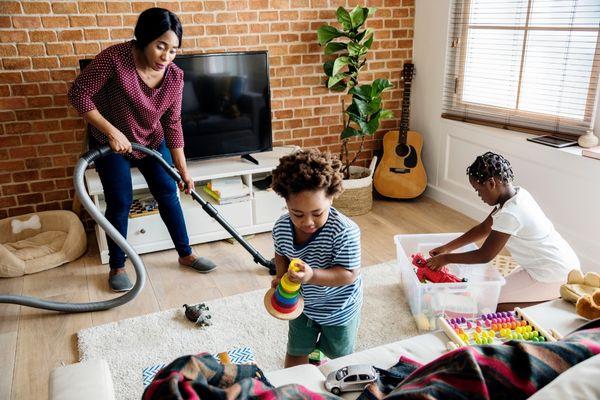
At 6 years old, children are growing quickly. They want to feel more independent and helpful. Many children at this age enjoy being given “big kid” jobs around the home. Simple chores and responsibilities can help children build confidence, responsibility, and important life skills.
As a parent, it can sometimes feel easier to do everything yourself. A 6-year-old may take a long time to fold towels or may forget what they were doing halfway through cleaning up toys. That is completely normal.
Children are still learning.
The goal is not perfection. The goal is helping children practice responsibility and feel proud of themselves for trying.
Every small step matters.
Why Responsibilities Matter
Giving children responsibilities helps them learn important skills such as:
- Responsibility
- Confidence
- Teamwork
- Patience
- Problem-solving
- Independence
Children also begin to feel:
- Trusted
- Important
- Helpful
- Capable
When children help around the home, they learn that they are an important part of the family.
Even small chores can help children feel proud and confident.
Reassurance for Parents
If your child forgets chores, gets distracted, or complains sometimes, that does not mean you are failing as a parent.
That is normal child development.
Six-year-olds are still learning:
- Focus
- Emotional control
- Patience
- Memory
- Organization
Children learn through practice, repetition, and encouragement.
Some days will go smoothly.
Some days may feel messy and frustrating.
That is okay.
Parenting is not about having a perfect child or a perfectly clean house. It is about helping children grow over time.
Progress matters more than perfection.
Children Want to Feel Helpful
Most children enjoy helping when they feel encouraged and included.
Children often feel proud when adults say:
- “Thank you for helping.”
- “I’m proud of you.”
- “You worked hard.”
- “You’re becoming very responsible.”
Positive words help children feel confident and motivated.
Even when chores are not done perfectly, children are still learning valuable lessons.
Chores a 6-Year-Old Can Do
Every child develops at their own pace, but many 6-year-olds can handle simple responsibilities with support.
Bedroom Chores
Children may be able to:
- Make their bed
- Pick up toys
- Put dirty clothes in the hamper
- Organize books
- Put pajamas away
The bed may not look perfect, and that is okay.
Trying is what matters most.
Kitchen Chores
Children may help with:
- Setting the table
- Clearing dishes
- Wiping the table
- Throwing away garbage
- Feeding pets
- Helping prepare snacks
Children often feel excited when trusted to help in the kitchen.
Household Chores
Children may also:
- Match socks during laundry
- Water plants
- Sweep small messes
- Put shoes away
- Carry light grocery bags
These small jobs help children build confidence and responsibility over time.
Personal Responsibilities
At this age, children are also learning to care for themselves.
This may include:
- Brushing teeth
- Getting dressed
- Packing school items
- Cleaning up after activities
- Following bedtime routines
These daily habits help children become more independent.
The Goal Is Not Perfection
Children are still learning how to complete tasks.
It is normal for children to:
- Forget steps
- Get distracted
- Make mistakes
- Need reminders
Parents should try to focus on effort instead of perfect results.
Instead of saying:
- “You did it wrong.”
Try saying:
- “Thank you for helping.”
- “You worked really hard.”
- “Let’s practice together.”
Positive encouragement helps children feel safe trying new things.
Building Healthy Routines
Children do best with routines because routines help life feel predictable and organized.
Simple routines can make chores easier.
Morning Routine
- Make bed
- Brush teeth
- Get dressed
- Pack backpack
After School Routine
- Put backpack away
- Wash hands
- Put lunchbox away
- Complete homework
Evening Routine
- Help clean up dinner
- Pick up toys
- Put clothes away
- Brush teeth
Routines help children know what to expect each day.
What If My Child Refuses?
This is very common.
Children may refuse chores because they are:
- Tired
- Distracted
- Frustrated
- Feeling overwhelmed
- Wanting control
This does not mean your child is lazy or bad.
Helpful ideas include:
- Giving one task at a time
- Keeping directions simple
- Using timers
- Turning chores into games
- Offering small choices
For example:
Instead of:
- “Clean your room.”
Try:
- “Let’s start by picking up the stuffed animals.”
Breaking tasks into smaller steps can help children feel more successful.
Praise Effort and Growth
Children respond strongly to positive attention.
Try praising:
- Effort
- Improvement
- Responsibility
- Kindness
- Trying hard
Helpful phrases include:
- “That was very responsible.”
- “You remembered all by yourself.”
- “Thank you for helping.”
- “I’m proud of how hard you worked.”
Children are more likely to repeat behaviors that receive encouragement.
Chores Build Confidence
Responsibilities help children feel:
- Strong
- Helpful
- Independent
- Proud of themselves
Children who help at home often develop stronger confidence and problem-solving skills.
Over time, children begin to believe:
- “I can do hard things.”
- “I can help.”
- “I am important.”
These lessons can help children at school, with friendships, and later in life.
Balance Is Important
Children still need:
- Playtime
- Creativity
- Outdoor activity
- Rest
- Family time
- Fun
Chores should be simple and manageable.
The goal is balance:
Helping children learn responsibility while still enjoying childhood.
Final Thoughts
Age-appropriate chores help children grow emotionally, socially, and mentally.
At 6 years old, children are still learning and developing every day. They will make mistakes, need reminders, and sometimes struggle with responsibilities. That is completely normal.
What matters most is creating a safe and supportive environment where children feel encouraged to keep trying.
Small moments—like helping set the table or picking up toys—can build confidence that lasts for years.
Children do not need to be perfect.
They simply need support, patience, encouragement, and love while they learn.
Family Reflection Questions
Parents may want to think about:
- What responsibilities can my child handle right now?
- Am I focusing too much on perfection?
- How do I react when my child makes mistakes?
- How can I encourage my child more often?
- What routines are working well in our home?
Small changes and small successes can make a big difference over time.
Westchester County Family Resources
United Way of Westchester and Putnam
Provides family support programs, educational resources, and community services for families.
Phone: (914) 997-6700
Website: United Way of Westchester and Putnam
Westchester Jewish Community Services
Offers parenting support, family counseling, and mental health services for children and families.
Phone: (914) 761-0600
Website: WJCS
The Guidance Center of Westchester
Provides mental health support and family services for children and caregivers.
Phone: (914) 613-0700
Website: The Guidance Center of Westchester
Westchester Library System
Offers free family programs, literacy activities, and educational workshops for parents and children.
Website: Westchester Library System
Westchester County Department of Community Mental Health
Provides mental health resources and referrals for families and children.
Phone: (914) 995-5220
Website: Westchester County Mental Health Services
Video Resources
English:
Spanish
Bibliography
- American Academy of Pediatrics (AAP) – Parenting and Child Development Resources
Provides research-based information on child development, routines, emotional growth, parenting strategies, and healthy family habits. - Centers for Disease Control and Prevention (CDC) – Child Development Milestones
Offers developmental milestone guidelines and information about social, emotional, and cognitive growth in children. - Child Mind Institute – Parenting Guides and Mental Health Resources
Evidence-based articles focused on emotional regulation, executive functioning skills, routines, independence, and positive parenting approaches. - Harvard Center on the Developing Child
Research on brain development, resilience, executive functioning, stress, and healthy childhood development. - PBS Parents
Family-friendly parenting resources with practical strategies for routines, chores, social-emotional learning, and child growth. - Zero to Three
National nonprofit organization focused on early childhood development, emotional connection, and healthy parent-child relationships. - The National Association for the Education of Young Children (NAEYC)
Research and guidance related to child learning, developmentally appropriate practices, independence, and early education. - HealthyChildren.org by the American Academy of Pediatrics
Parent-focused articles on routines, discipline, emotional development, and encouraging independence in children. - Greater Good Magazine – The Science of Raising Caring Children
Research-based articles on empathy, gratitude, resilience, emotional wellness, and family connection. - Understood.org
Resources for supporting children with learning and attention differences, including executive functioning and routine-building strategies. - Sesame Street in Communities
Free family resources focused on emotional learning, routines, kindness, and healthy childhood development. - The Collaborative for Academic, Social, and Emotional Learning (CASEL)
Research and educational resources on social-emotional learning, self-management, responsibility, and relationship skills. - Mayo Clinic – Child Development Basics
General guidance on child health, behavior, development, and parenting support. - Nemours KidsHealth
Trusted medical and parenting information about child growth, routines, emotions, and healthy habits. - University of Minnesota Extension – Parenting and Family Development
Research-supported guidance for parents on child behavior, chores, responsibility, and emotional development.
Disclaimer
This article is for informational and educational purposes only and should not replace advice from a doctor, teacher, or mental health professional. If you have concerns about your child’s development, emotional well-being, or behavior, please speak with a qualified professional.