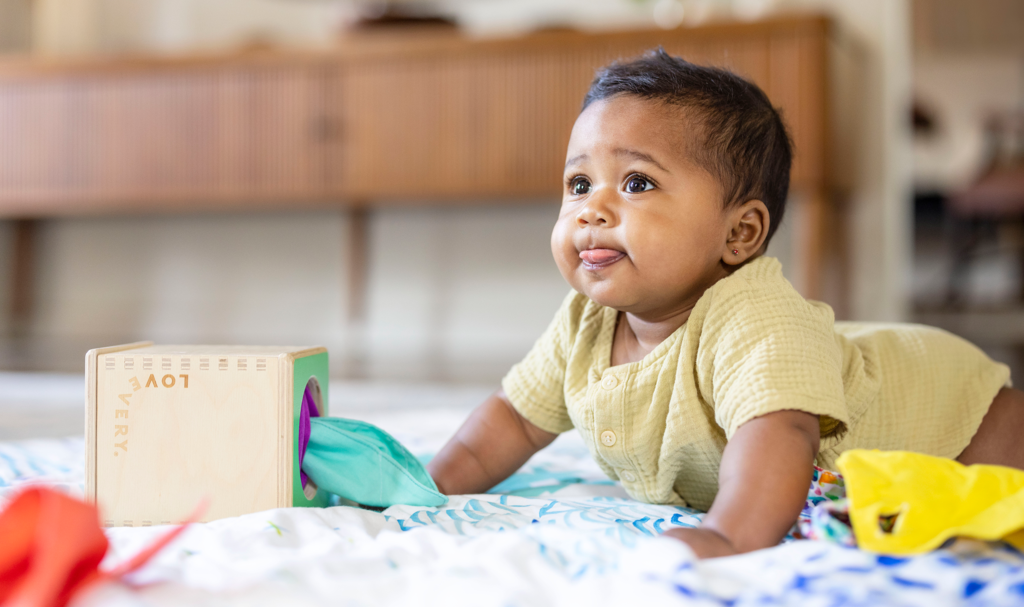

At age 6, children are in a powerful developmental window. Their brains are rapidly organizing, strengthening, and refining connections that will shape how they learn, relate to others, and handle stress for years to come.
Here’s the part that often gets underestimated:
Play is one of the primary ways the brain builds those connections.
This isn’t just a “nice idea”—it’s backed by decades of neuroscience and child development research.
The Brain on Play: What’s Actually Happing Inside
When your child plays, multiple brain systems are activated at the same time. This is what makes play so powerful.
1. Neural Connections Are Strengthened
The brain develops through repeated experiences. When a child plays:
- Neurons (brain cells) fire together
- Repeated firing strengthens those connections (called synaptic strengthening)
- Stronger connections = better learning, memory, and problem-solving
Research from the Harvard Center on the Developing Child shows that active, engaging experiences (like play) are what build strong brain architecture—not passive activities.
2. The Prefrontal Cortex Gets a Workout
The prefrontal cortex (front of the brain) is responsible for:
- Decision-making
- Attention
- Impulse control
- Planning
During play, especially:
- Board games
- Pretend play
- Turn-taking activities
Children are constantly practicing these skills.
This is what we call executive functioning, and it is one of the strongest predictors of school success—even more than early reading ability.
3. Emotional Regulation Systems Develop
Play helps regulate the limbic system (emotion center of the brain).
When a child:
- Loses a game
- Gets frustrated building something
- Navigates conflict with peers
They are learning:
- How to tolerate discomfort
- How to calm themselves
- How to try again
The American Academy of Pediatrics emphasizes that play is essential for building resilience and coping skills.
4. Stress Response Becomes Healthier
Play reduces stress hormones like cortisol.
Unstructured, joyful play:
- Signals safety to the brain
- Allows the nervous system to relax
- Helps prevent chronic stress patterns
This matters more than people realize—chronic stress in childhood can impact learning, behavior, and even long-term health.
Why Play Matters for Learning (Not Just Fun)
Let’s be direct:
If you want your child to succeed academically, cutting play is the wrong move.
Play Builds the Skills Behind Learning
| Skill | How Play Helps |
|---|---|
| Attention | Games require focus and staying engaged |
| Memory | Repetition through play strengthens recall |
| Problem-solving | Kids experiment and figure things out |
| Language | Storytelling and social play build vocabulary |
| Flexibility | Adapting rules and ideas builds cognitive flexibility |
The Centers for Disease Control and Prevention notes that children learn best through active engagement, not passive instruction.
Play vs. Worksheets (The Honest Truth)
- Worksheets teach short-term content
- Play builds long-term thinking skills
A child who can:
- Focus
- Manage frustration
- Think creatively
…will outperform a child who was pushed academically too early without those foundational skills.
The Social Brain: Why Play Matters for Relationships
At age 6, peer relationships become more important.
Through play, children learn:
- Turn-taking
- Reading facial expressions
- Understanding others’ perspectives
- Repairing conflict
This is the beginning of empathy and social intelligence.
The Zero to Three highlights that social play is critical for healthy emotional and relational development.
The Long-Term Benefits of Play
Play doesn’t just help now—it sets the stage for the future.
Children who engage in regular play tend to have:
- Better emotional regulation
- Stronger problem-solving skills
- Higher creativity
- Better peer relationships
- Lower anxiety levels
And later in life:
- Greater adaptability
- Stronger coping skills
- Better mental health outcomes
How Play Benefits Parents (Yes, You Too)
This part often gets overlooked.
1. Stronger Parent-Child Connection
When you engage in play:
- Your child feels seen and valued
- Trust increases
- Communication improves
Even 10–15 minutes of focused play can strengthen attachment.
2. Better Behavior (Seriously)
Kids who get enough play:
- Are less irritable
- Have fewer behavioral outbursts
- Are more cooperative
Why? Because their emotional needs are being met.
3. Less Pressure on You
Play shifts the dynamic from:
- “I need to teach and manage everything”
to - “My child is learning through experience”
You don’t have to carry the entire load.
Common Misconceptions (Let’s Clear These Up)
“They should be focusing more on school”
Reality: Play improves school performance.
“Screens count as play”
Some digital games can help—but they don’t replace:
- Physical movement
- Social interaction
- Imagination
“Play should always be educational”
If it feels like a lesson, it’s not really play.
True play is:
- Child-led
- Open-ended
- Flexible
What This Looks Like Day-to-Day
You don’t need a perfect setup.
Realistic play support:
- 20–60 minutes of free play daily
- Outdoor time whenever possible
- Opportunities for peer interaction
- Simple materials (blocks, art supplies, pretend toys)
If Play Is Missing: What You Might See
When kids don’t get enough play, you may notice:
- Increased irritability
- Short attention span
- More screen dependence
- Difficulty managing emotions
This isn’t a “bad behavior” problem—it’s often a developmental need not being met.
Final Takeaway
Play is not optional at age 6.
It’s not extra.
It’s not a reward.
It is one of the most important tools your child has for learning, growing, and staying emotionally healthy.
And the best part?
It doesn’t require perfection—just space, time, and permission.
Additional Articles for Parents (Recommended Reading)
- American Academy of Pediatrics – The Power of Play: A Pediatric Role in Enhancing Development
- Harvard Center on the Developing Child – Serve and Return Interaction Shapes Brain Architecture
- National Association for the Education of Young Children – Developmentally Appropriate Practice and Play
- Centers for Disease Control and Prevention – Child Development and Learning Milestones
- Zero to Three – Learning Through Play
Video Resources:
English:
Spanish:
Westchester Resources That Support Play (Age 6)
Play-Based Learning and Exploration
Westchester Children’s Museum
Phone: (914) 421-5050
A hands-on museum designed specifically for children to learn through play. Exhibits focus on building, problem-solving, creativity, and exploration.
Why it matters:
This type of environment supports executive functioning, curiosity, and active learning—key components of brain development at age 6.
Indoor Play and Movement Spaces
The Play Place
Phone: (914) 347-5291
Indoor space for climbing, running, and unstructured movement.
BounceU
Phone: (914) 874-5200
Obstacle courses and high-energy physical play opportunities.
Pop in Play Cafe
Combines pretend play stations with a relaxed environment for families.
Why these matter:
Physical play strengthens coordination, reduces stress, and supports emotional regulation. Social interaction in these spaces also builds communication and peer skills.
Creative and Enrichment Play Programs
Shake It Off Westchester
Phone: (914) 721-0151
Offers art, dance, and creative expression programs focused on confidence and social development.
Sounds Good Westchester
Phone: (914) 670-7024
Music-based classes that combine movement, rhythm, and social interaction.
Why these matter:
Creative play supports language development, emotional expression, and flexible thinking—all critical for both academic and social success.
Nature-Based Play
Rye Nature Center
Offers outdoor exploration programs where children engage in unstructured, nature-based play.
Why it matters:
Nature play improves attention, reduces anxiety, and encourages independence and problem-solving.
Structured Programs and After-School Support
YMCA of Central and Northern Westchester
Phone: (914) 949-8030
Provides after-school programs, camps, and recreational activities focused on the whole child.
Family Services of Westchester
Phone: (914) 937-2320
Offers youth programs that support social development, emotional growth, and structured play opportunities.
Free and Low-Cost Options
Westchester Library System
Local libraries offer:
- Storytime programs
- Playgroups
- Social play opportunities
These are consistent, accessible, and developmentally appropriate.
Why These Resources Matter
All of these programs and locations support active, hands-on, child-led play, which directly contributes to:
- Brain development and neural connections
- Emotional regulation and resilience
- Social skills and peer relationships
- Academic readiness and executive functioning
Westchester offers a strong range of opportunities that allow families to support development without needing to rely on structured academics alone.
Final Note for Parents
You do not need to fill every hour with structured activities. What matters most is giving your child consistent opportunities to engage in play—whether at home, outdoors, or in the community. These local resources can support that process, but simple, everyday play is just as powerful.
Disclaimer:
This article is for informational and educational purposes only and is not intended as medical or mental health advice. Please consult with a qualified healthcare or mental health professional regarding any concerns about your child’s development or well-being.