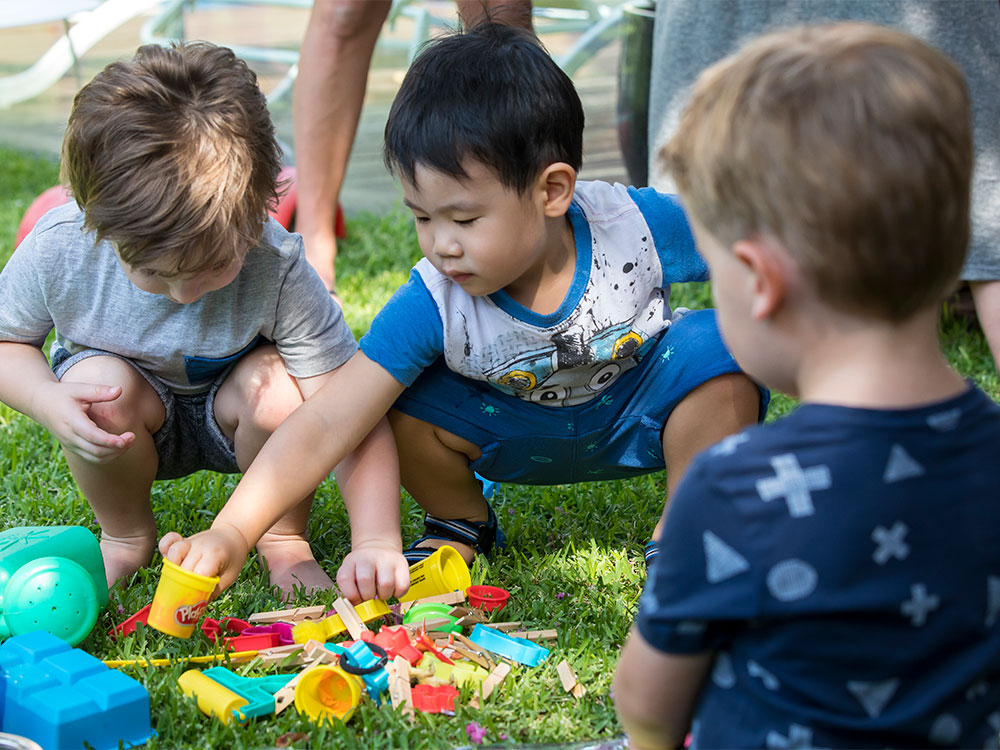
At 6 years old, children are full of energy, curiosity, and movement. They love to run, jump, climb, dance, explore, and play. Physical activity is not just important for children’s bodies—it also helps support their emotional health, learning, confidence, and overall development.
For children, movement is part of how they learn about the world.
Sometimes parents may worry that their child is:
- Too active
- Always moving
- Climbing constantly
- Unable to sit still for long periods
In many cases, this is completely normal for this age group.
Six-year-olds are still developing:
- Attention
- Emotional regulation
- Coordination
- Balance
- Self-control
- Social skills
Physical activity helps support all of these areas of growth.
Why Physical Activity Matters
Physical activity helps children grow both physically and emotionally.
Regular movement helps support:
- Strong muscles and bones
- Healthy sleep
- Emotional regulation
- Focus and attention
- Confidence
- Coordination
- Social skills
- Stress reduction
Children who stay active often feel:
- Happier
- More confident
- More relaxed
- More focused
Physical activity can also help children release stress, frustration, and extra energy in healthy ways.
Children Learn Through Movement
At 6 years old, children are still learning through active play.
Running, climbing, jumping, and playing help children:
- Build coordination
- Practice problem-solving
- Improve balance
- Learn teamwork
- Develop confidence
Even simple activities like:
- Riding a bike
- Playing tag
- Dancing
- Playing on playgrounds
- Throwing a ball
…help children develop important skills.
Movement is an important part of healthy brain development.
Physical Activity Supports Emotional Health
Children experience stress too.
Even at 6 years old, children may feel:
- Frustrated
- Overwhelmed
- Worried
- Angry
- Sad
Physical activity can help children:
- Calm their bodies
- Reduce stress
- Improve mood
- Release energy
- Feel more emotionally balanced
Many children behave better after active play because movement helps regulate emotions and energy levels.
Sometimes what looks like “bad behavior” may actually be a child needing:
- Movement
- Outdoor time
- A break
- Physical activity
Reassurance for Parents
Parents sometimes feel pressure to keep children busy with organized sports or expensive activities.
The good news is:
Physical activity does not need to be complicated.
Children do not need perfect schedules or expensive programs to stay active.
Simple activities matter.
Playing outside, dancing in the living room, going for walks, or visiting a playground can all support healthy development.
Children benefit most from:
- Consistency
- Fun
- Encouragement
- Opportunities to move
Not perfection.
Some days children will be more active than others.
That is normal.
How Much Physical Activity Do Children Need?
Experts recommend that school-aged children get about 60 minutes of physical activity each day. (cdc.gov)
This does not need to happen all at once.
Children can stay active through:
- Outdoor play
- Sports
- Recess
- Family walks
- Dancing
- Playground time
- Active games
The goal is helping children move regularly throughout the day.
Types of Healthy Physical Activity for 6-Year-Olds
Children this age enjoy activities that feel fun and playful.
Healthy activities may include:
- Running
- Jumping rope
- Riding bikes
- Swimming
- Soccer
- Dancing
- Martial arts
- Tag
- Obstacle courses
- Hiking
- Playground play
Children often stay more motivated when activities feel enjoyable instead of forced.
Outdoor Play Is Important
Outdoor play offers many benefits for children.
Outdoor activity can help improve:
- Mood
- Sleep
- Attention
- Creativity
- Social skills
- Confidence
Nature and outdoor play also give children opportunities to:
- Explore
- Problem-solve
- Take healthy risks
- Build independence
Even short periods outside can help children feel calmer and more regulated.
Physical Activity and Learning
Movement can also support learning and attention.
Research shows that physical activity may help improve:
- Focus
- Memory
- Classroom behavior
- Problem-solving skills
Children often learn better when they have opportunities to move their bodies regularly.
At this age, long periods of sitting can be difficult for many children.
Movement breaks can help children reset and refocus.
Helping Children Stay Active
Parents can encourage healthy movement by:
- Limiting long periods of screen time
- Planning outdoor activities
- Taking family walks
- Encouraging free play
- Joining children in active games
- Creating simple routines
Children are more likely to stay active when adults make movement feel positive and enjoyable.
Keep Activity Fun
Physical activity should not feel like punishment.
Children respond best when movement feels:
- Fun
- Encouraging
- Supportive
- Low-pressure
Avoid focusing too heavily on:
- Competition
- Winning
- Performance
The goal is helping children enjoy moving their bodies and building healthy habits over time.
Signs Children May Need More Physical Activity
Sometimes children may show signs they need more movement.
Possible signs include:
- Restlessness
- Trouble focusing
- Difficulty sleeping
- Increased irritability
- Excess energy indoors
- Frequent boredom
More physical activity may help children feel calmer, happier, and more balanced.
Balance Is Important
Children still need:
- Rest
- Quiet time
- Family connection
- Creativity
- Sleep
- Unstructured play
Healthy development is about balance.
Children do not need to be active every second of the day.
The goal is creating opportunities for regular movement while also allowing time to relax and recharge.
Final Thoughts
Physical activity is an important part of healthy childhood development.
At 6 years old, movement helps children:
- Build strong bodies
- Develop confidence
- Improve emotional regulation
- Strengthen social skills
- Support learning and focus
Children do not need perfect routines or expensive activities to benefit from movement.
Simple moments matter:
- Playing outside
- Dancing in the kitchen
- Running at the park
- Going for walks together
These experiences help children grow emotionally, physically, and socially.
Parents do not need to do everything perfectly.
What matters most is creating a supportive environment where children feel encouraged to move, explore, play, and enjoy being active.
Family Reflection Questions
Parents may want to think about:
- Does my child have enough opportunities for movement each day?
- Are screens replacing physical activity too often?
- What types of activities does my child enjoy most?
- How can our family move together more often?
- Am I focusing on fun instead of performance?
Small changes over time can help build healthy habits that last for years.
Video Resources:
English:
Spanish:
Westchester County Family Resources
United Way of Westchester and Putnam
Provides family support programs, educational resources, and community services for families and children.
Phone: (914) 997-6700
Website: United Way of Westchester and Putnam
Westchester Parks Foundation
Supports parks, trails, playgrounds, and outdoor family activities throughout Westchester County.
Website: Westchester Parks Foundation
Westchester County Parks
Provides playgrounds, hiking trails, sports programs, swimming, and outdoor recreation opportunities for children and families.
Website: Westchester County Parks
YMCA of Central and Northern Westchester
Offers youth sports, swimming lessons, fitness programs, and family wellness activities.
Phone: (914) 949-8030
Website: YMCA of Central and Northern Westchester
Westchester Jewish Community Services
Provides family counseling, behavioral health services, and support programs for children and families.
Phone: (914) 761-0600
Website: WJCS
Bibliography
- Centers for Disease Control and Prevention – Physical Activity Basics for Children
Information about recommended physical activity levels for children and the health benefits of regular movement. (cdc.gov) - American Academy of Pediatrics
Research-based guidance on healthy child development, exercise, outdoor play, sleep, and emotional wellness. - HealthyChildren.org
Parent-focused information on physical activity, healthy habits, emotional regulation, and child development. - Harvard Center on the Developing Child
Research on brain development, movement, emotional regulation, resilience, and healthy childhood experiences. - Child Mind Institute
Evidence-based resources on child mental health, emotional regulation, stress management, and healthy routines. - National Association for Sport and Physical Education
Guidance on physical education, movement, and healthy activity for children and families. - Zero to Three
Resources focused on emotional development, healthy routines, and child wellness. - Mayo Clinic – Children’s Health and Exercise
Information on healthy exercise habits, emotional health, and childhood wellness. - Nemours KidsHealth
Educational materials on fitness, healthy habits, emotional wellness, and child development. - The National Institutes of Health – Physical Activity and Children
Research and educational information related to exercise, movement, and childhood health.
Disclaimer
This article is for informational and educational purposes only and should not replace advice from a doctor, pediatrician, or qualified healthcare professional. If you have concerns about your child’s physical development, exercise abilities, emotional health, or overall well-being, please speak with a licensed healthcare provider.