
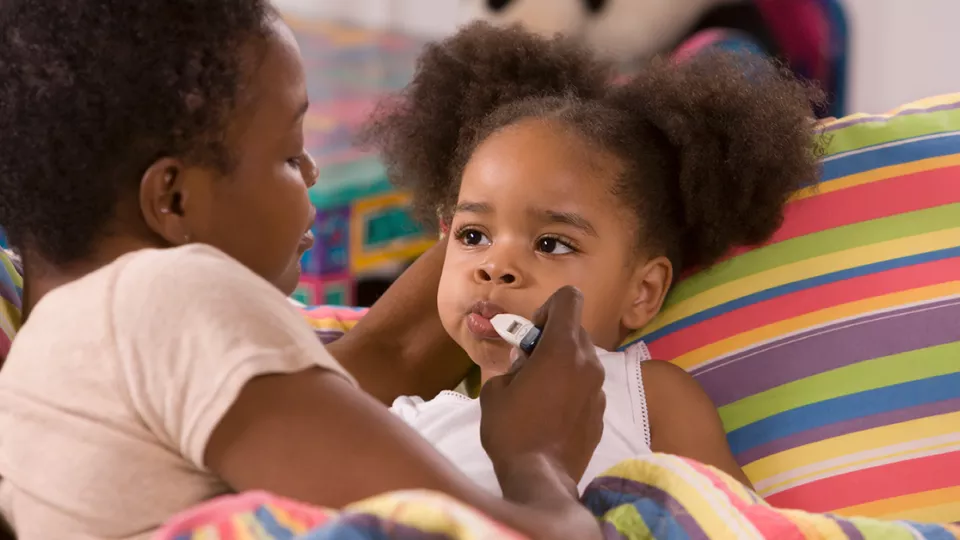
As a parent, it’s natural to worry when your baby develops a fever. Understanding what’s normal and when to seek medical attention can help you care for your little one with confidence.
What Is a Fever?
A fever is when the body’s temperature rises above its normal range. For babies, a rectal temperature of 100.4°F (38°C) or higher is considered a fever. Fevers are often the body’s way of fighting infections.
Common Causes of Fever in Infants
- Infections: Most fevers in this age group are due to viral infections, like colds or the flu. Bacterial infections are less common but can occur.
- Immunizations: Sometimes, babies develop a mild fever after vaccinations.
- Overdressing: Dressing a baby too warmly can raise their body temperature.
When to Call the Doctor
It’s important to monitor your baby’s behavior and symptoms. Contact your pediatrician if:
- Age 3-6 months: Your baby has a rectal temperature above 102°F (38.9°C) or a lower fever but appears unusually irritable, lethargic, or uncomfortable. mayoclinic.org
- Any age: Your baby shows signs like difficulty breathing, persistent vomiting, rash, or if the fever persists longer than a few days.
How to Measure Your Baby’s Temperature
For infants, the most accurate method is a rectal temperature measurement:
- Clean the Thermometer: Use soap and water or alcohol.
- Apply a Small Amount of Lubricant: Such as petroleum jelly, to the tip.
- Place Your Baby on Their Back: Lift their legs gently.
- Insert the Thermometer: About 1/2 to 1 inch into the rectum.
- Hold Steady: Wait until the thermometer signals it’s ready.
- Read and Record the Temperature.
Fever recording documents:
Tips for Managing Your Baby’s Fever
- Keep Them Hydrated: Offer regular feedings to prevent dehydration.
- Dress Comfortably: Use lightweight clothing and keep the room at a comfortable temperature.
- Use Fever-Reducing Medication: If advised by your doctor, you can give acetaminophen (Tylenol) to reduce discomfort. Always follow the recommended dosage and consult your pediatrician before administering any medication. mayoclinic.org
- Monitor Their Behavior: Keep a close eye on changes in feeding, sleeping, and activity levels.
What Not to Do
- Avoid Aspirin: Do not give aspirin to your baby due to the risk of Reye’s syndrome. healthychildren.org
- No Cold Baths: Avoid using cold water or alcohol rubs to reduce fever, as they can cause shivering and increase body temperature.
Preventing Fevers
- Regular Handwashing: Helps prevent the spread of infections.
- Keep Up with Vaccinations: Ensure your baby receives all recommended immunizations on schedule.
- Avoid Overheating: Dress your baby appropriately for the environment and avoid heavy blankets.
Trust Your Instincts
As a parent, you know your baby best. If something doesn’t feel right, don’t hesitate to contact your pediatrician. It’s always better to seek reassurance when it comes to your child’s health.
Fact sheets and further readings:
Remember, while fevers are common in infants and often not serious, staying informed and prepared is key to ensuring your baby’s well-being.
Video Resources:
English:
Spanish:
Additional Resources:
County Health Departments – Infant Illness Guidance
1. Westchester County Department of Health – Child Health Services
- Phone: (914) 813-5000
- Website: https://health.westchestergov.com
- Description: Offers guidance for identifying and responding to infant fevers, signs of serious illness, and when to seek medical care. Can connect families to public health nurses and pediatric referrals.
2. Putnam County Department of Health – Maternal and Child Health
- Phone: (845) 808-1390
- Website: https://www.putnamcountyny.gov/health
- Description: Supports families with infant wellness education, including monitoring symptoms like fever, irritability, or poor feeding.
3. NYS Growing Up Healthy Hotline
- Phone: 1-800-522-5006
- Website: https://www.health.ny.gov
- Description: Statewide hotline to help parents determine if a baby’s fever requires medical attention and how to access local services.
Pediatric & Urgent Care Resources
4. Open Door Family Medical Center
- Locations: Ossining, Mount Kisco, Port Chester, Sleepy Hollow, Brewster
- Phone: (914) 632-2737
- Website: https://www.opendoormedical.org
- Description: Offers same-day pediatric appointments, fever assessments, and guidance on over-the-counter medication use for infants.
5. Sun River Health (formerly HRHCare)
- Peekskill Pediatrics: (914) 734-8530
- Website: https://www.sunriver.org
- Description: Federally Qualified Health Center offering pediatric fever care, infant health checks, and help understanding when to go to urgent care or ER.
Nurse Advice & Emergency Resources
6. Medicaid Managed Care Nurse Lines (Plan Specific)
- Note: If enrolled in Medicaid, check the back of your card for a 24/7 nurse advice line.
- Description: Nurse hotlines can help parents determine if a baby’s fever can be managed at home or if emergency care is needed.
7. Poison Control Center
- Phone: 1-800-222-1222
- Website: https://www.poison.org
- Description: Provides immediate guidance if an infant receives the wrong dose of fever-reducing medication or ingests a household substance.
Early Intervention & Parent Coaching
8. Westchester County Early Intervention Program
- Phone: (914) 813-5094
- Website: https://health.westchestergov.com/early-intervention
- Description: Supports infants under age 3 with health or developmental concerns, including parental coaching on managing symptoms like fevers or infections.
9. Healthy Families Putnam (MISN)
- Phone: (845) 561-3575
- Website: https://misn-ny.org/healthy-families-putnam
- Description: Offers home visits and health education for new parents, including understanding common infant illnesses and fevers.
Parent Education Resources
10. HealthyChildren.org – American Academy of Pediatrics
- Website: https://www.healthychildren.org
- Description: Trusted pediatrician-approved articles on fever thresholds, when to worry, proper use of thermometers, and safe use of medications like acetaminophen.
11. Centers for Disease Control and Prevention (CDC) – Infant Fever Guide
- Website: https://www.cdc.gov
- Description: CDC guidelines on recognizing fever signs in babies, when to call a provider, and steps for keeping infants comfortable.
Bibliography:
1️⃣ Mayo Clinic – Fever Treatment: Quick Guide to Treating a Fever
2️⃣ American Academy of Pediatrics (AAP) – HealthyChildren.org – Fever (0-12 Months)
3️⃣ Centers for Disease Control and Prevention (CDC) – Caring for Infants & Young Children with Fever
4️⃣ World Health Organization (WHO) – Fever Management and Infant Care
Legal Disclaimer: The information provided by our nonprofit is for informational purposes only and not a substitute for professional medical advice, diagnosis, or treatment. Always consult a qualified healthcare provider for medical concerns. We make no guarantees about the accuracy or completeness of the information and are not liable for any decisions made based on it. If you have a medical emergency, call 911 or seek immediate medical care.