

What is Colic?
Bringing home a newborn is an exciting experience, but what happens when your adorable bundle of joy turns into a crying machine for hours at a time? If your baby cries for more than three hours a day, three days a week, for at least three weeks, you might be dealing with colic. Don’t panic—colic is common, temporary, and not a sign that anything is wrong with your baby! It typically starts around week two, peaks at six weeks, and magically disappears around three to four months (Mayo Clinic, 2023).
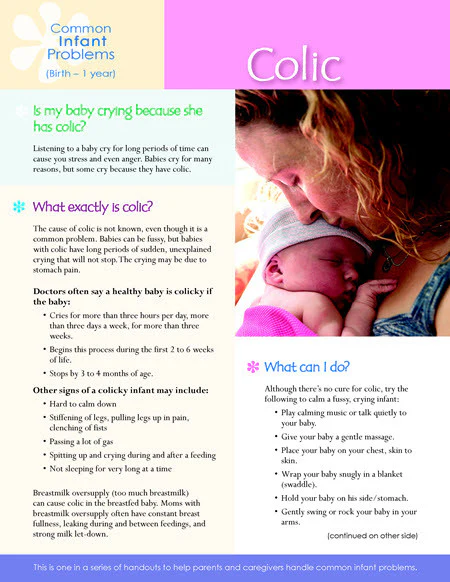
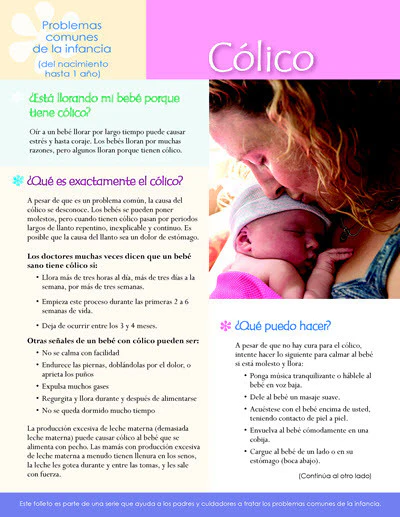
Signs of Colic
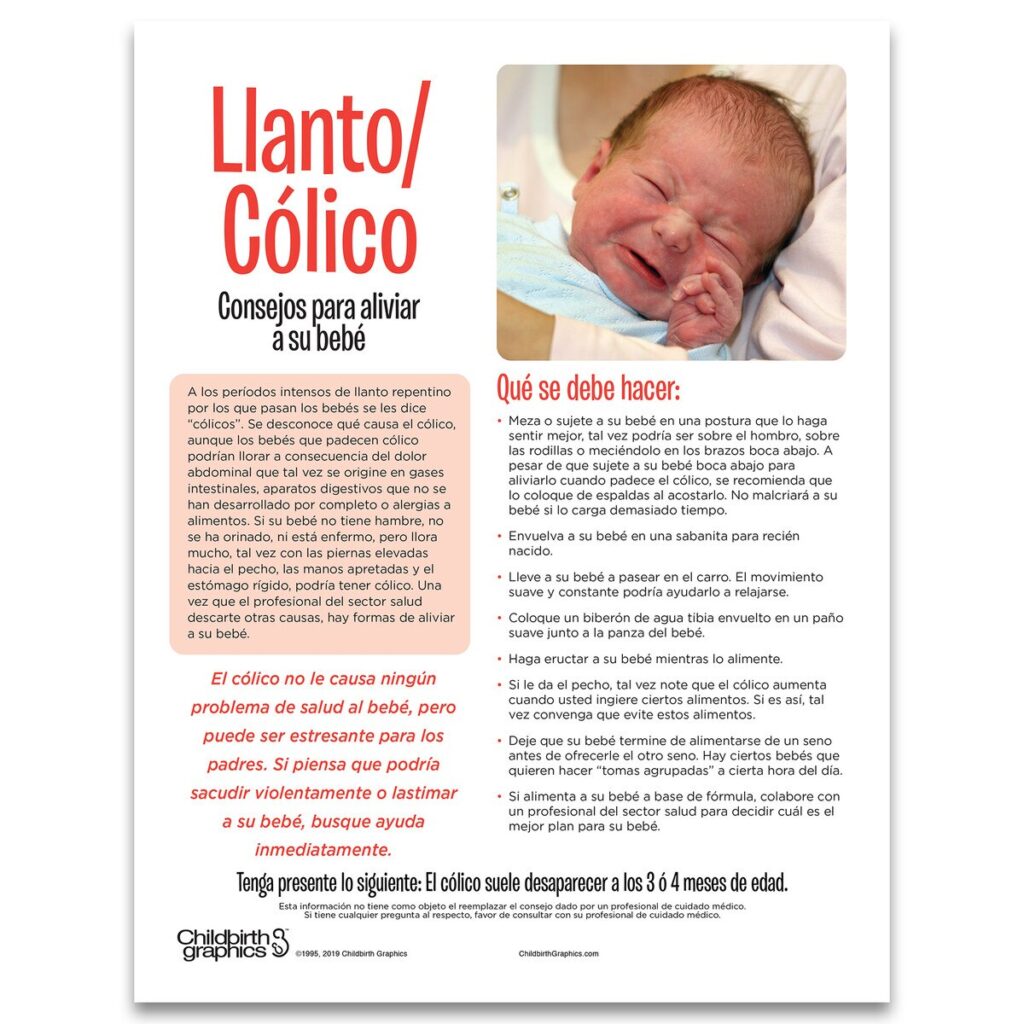
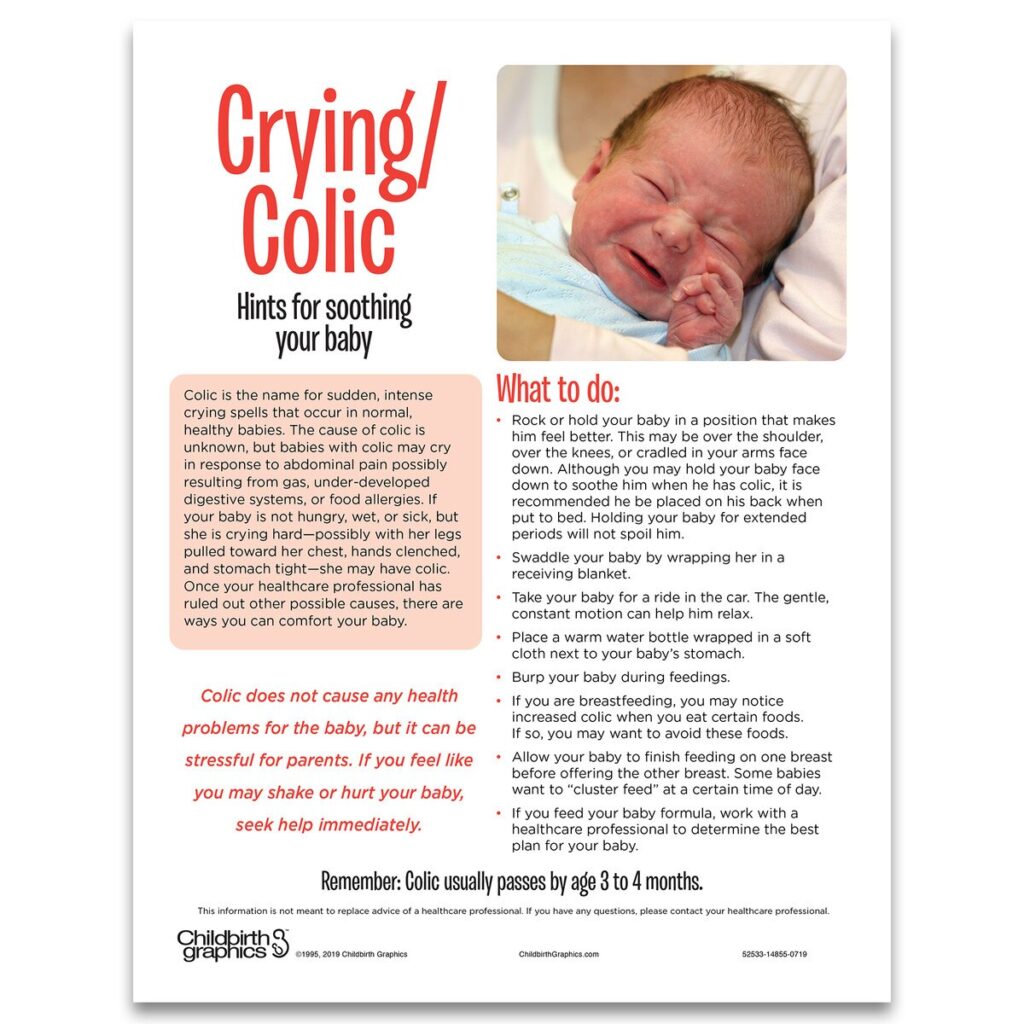
- Intense Crying: The kind of cry that makes you wonder if your baby is auditioning for a drama series.
- Predictable Patterns: Crying fits often happen in the evening, just when you’re about to relax.
- Physical Signs: Clenched fists, an arched back, curled legs, and a red face.
- Difficult to Soothe: Your usual tricks—rocking, singing, bribing with future ice cream—just aren’t working.
The good news? Your baby is still healthy, and this phase will pass! In the meantime, here are some tried-and-true techniques to help soothe your little one (and keep your sanity intact).
How to Soothe a Colicky Baby
1. The “Baby Burrito” (Swaddling)
- Babies love feeling snug and secure, just like in the womb.
- Wrap your baby in a light blanket (not too tight—just enough to feel cozy).
- This can help calm their startle reflex and make them feel safe.
- Why it helps: Swaddling mimics the security of the womb, reducing overstimulation (HealthyChildren.org, 2023).
2. The “Magic Motion” (Gentle Rocking & Movement)
- Rock your baby gently in your arms, a rocking chair, or an infant swing.
- Try wearing your baby in a baby carrier and walking around.
- Take a car ride—sometimes, the motion lulls babies to sleep faster than a bedtime story.
- Why it helps: Gentle motion is soothing and reminds babies of movement in the womb (Mount Sinai, 2023).
3. “The Tummy Hold” (Applying Gentle Pressure)
- Lay your baby tummy-down across your lap and gently rub their back.
- Or, try the “football hold”—rest your baby’s tummy on your forearm with their head supported.
- Why it helps: Gentle pressure on the tummy can relieve gas and ease discomfort (BetterHealth, 2023).
4. The “White Noise Wonder” (Sound Therapy)
- Play soothing sounds like rainfall, ocean waves, or even the vacuum cleaner.
- Apps, sound machines, or shushing sounds can also work wonders.
- Why it helps: White noise mimics the sounds of the womb, helping babies feel calm (HealthyChildren.org, 2023).
5. “Feed Smart” (Adjusting Feeding Habits)
- Burp your baby during and after feedings to prevent gas buildup.
- Hold your baby in an upright position while feeding.
- If breastfeeding, try adjusting your diet by cutting dairy or caffeine (talk to your doctor first!).
- If using formula, ask your pediatrician if a gentler or hypoallergenic formula might help.
- Why it helps: Less gas = less discomfort and crying (CHOC Health, 2023).
6. “Warm & Cozy” (Comforting with Warmth)
- Give your baby a warm bath—the water can be magically relaxing.
- Place a warm (but not hot!) washcloth on your baby’s tummy.
- Why it helps: Warmth can help relax muscles and relieve tummy aches (NHS, 2023).
When to Call the Doctor
Most cases of colic aren’t serious, but call your pediatrician if:
- Your baby has a fever over 100.4°F (38°C).
- There’s blood in their poop or severe vomiting.
- They aren’t gaining weight or refuse to eat.
- Crying persists past four months.
A Little Reassurance
We know—it’s exhausting to hear your baby cry and feel like nothing is working. But remember:
Colic is temporary—most babies outgrow it by three to four months. You’re doing a great job—your baby is crying because they trust you to comfort them. It’s okay to take a break—if you’re feeling overwhelmed, place your baby safely in the crib and take a few deep breaths. You’re not alone!
Colic doesn’t mean anything is wrong with your baby or your parenting. Keep trying different soothing techniques until you find what works best. This phase will pass, and soon you’ll have more smiles than cries!
Videos on Colic and Soothing Techniques
- English:
- Spanish:
Additional Resources:
County Health Departments – Infant Soothing & Parental Support
1. Westchester County Department of Health – Maternal and Child Health Services
- Phone: (914) 813-5000
- Website: https://health.westchestergov.com
- Description: Offers guidance on newborn crying patterns, how to differentiate colic from other concerns, and connects families to community health support.
2. Putnam County Department of Health – Infant Health Services
- Phone: (845) 808-1390
- Website: https://www.putnamcountyny.gov/health
- Description: Provides parenting education on managing prolonged crying and offers referrals for pediatric evaluations if colic symptoms persist or worsen.
3. NYS Growing Up Healthy Hotline
- Phone: 1-800-522-5006
- Website: https://www.health.ny.gov
- Description: A 24/7 statewide helpline offering advice and support on newborn care, including colic, sleep, feeding, and where to find help locally.
Pediatric Clinics – Evaluation and Soothing Guidance
4. Open Door Family Medical Center
- Phone: (914) 632-2737
- Website: https://www.opendoormedical.org
- Locations: Ossining, Mt. Kisco, Port Chester, Sleepy Hollow, Mamaroneck, Brewster
- Description: Pediatric staff help identify colic symptoms, rule out medical issues, and offer feeding techniques, swaddling tips, and caregiver stress support.
5. Sun River Health (formerly HRHCare)
- Peekskill Pediatric Site: (914) 734-8530
- Website: https://www.sunriver.org
- Description: Offers infant wellness visits and education on colic, digestion, and methods for soothing inconsolable babies through gentle movement, sound, and touch.
In-Home Support & Parental Coaching
6. Healthy Families Putnam (MISN)
- Phone: (845) 561-3575
- Website: https://misn-ny.org/healthy-families-putnam
- Description: Home visitors work with families on calming techniques, safe sleep routines, and how to care for infants with colic while also supporting the parent’s well-being.
7. Nurse-Family Partnership – Westchester County DOH
- Phone: (914) 813-5094
- Website: https://health.westchestergov.com/nurse-family-partnership
- Description: Public health nurses support first-time mothers with strategies to soothe crying babies, recognize signs of colic, and reduce caregiver stress.
Mental Health & Parental Stress Resources
8. Mental Health Association of Westchester (MHAW)
- Phone: (914) 345-5900
- Website: https://www.mhawestchester.org
- Description: Provides mental health support for overwhelmed caregivers, including stress management resources, referrals, and emotional support options for parents of colicky infants.
Feeding & Nutrition Guidance
9. WIC – Women, Infants, and Children Program
- Westchester WIC: (914) 995-6350
- Putnam WIC: (845) 279-6997
- Website: https://www.health.ny.gov/prevention/nutrition/wic
- Description: Provides infant nutrition and feeding support, including formula guidance and breastfeeding tips that may reduce gas and colic symptoms.
National Educational Resources
10. HealthyChildren.org – American Academy of Pediatrics
- Website: https://www.healthychildren.org
- Description: Offers reliable information on colic causes, comfort techniques (like motion, sound, and swaddling), and when to consult a doctor.
11. Period of PURPLE Crying – National Center on Shaken Baby Syndrome
- Website: https://www.purplecrying.info
- Description: Educates caregivers about normal crying patterns in newborns, techniques to soothe babies, and how to cope with feelings of frustration or helplessness.
Bibliography
- Mayo Clinic – Colic – Diagnosis & Treatment
- HealthyChildren.org – Colic Relief Tips for Parents
- CHOC Health – Colic in Babies: Tips for Soothing Your Child
- Mount Sinai – Colic and Crying – Self-care Information
Images Cited:
1. https://www.motherhoodcenter.com/coping-with-colic-tips-and-strategies/
2.https://superbusymum.net/5-tips-to-soothe-colic-in-babies/
3. https://www.calmingcolic.com/calming-technique-for-your-baby/
Final Thought: You got this! Colic is hard, but your love and patience are exactly what your baby needs. Keep trying, and soon, the smiles will replace the cries.
Legal Disclaimer: The information provided by our nonprofit is for informational purposes only and not a substitute for professional medical advice, diagnosis, or treatment. Always consult a qualified healthcare provider for medical concerns. We make no guarantees about the accuracy or completeness of the information and are not liable for any decisions made based on it. If you have a medical emergency, call 911 or seek immediate medical care.