

Hello, new parents! 🍼 Embarking on the journey of feeding your little one is both exciting and, let’s be honest, a bit daunting. But fear not! With a sprinkle of humor and a dash of evidence-based guidance, we’ll navigate this culinary adventure together.
Understanding Infant Feeding Patterns
In the early months, your baby’s feeding schedule might feel as unpredictable as a cat on caffeine. But there’s a method to the madness:
- Newborns (0-3 months): Expect to feed your baby every 2-3 hours, totaling about 8-12 feedings in 24 hours. Yes, that includes those 3 a.m. wake-up calls. hopkinsmedicine.org
- 3-6 months: As their tiny tummies grow, babies can consume more per feeding, leading to longer stretches between meals—approximately every 3-4 hours. Celebrate those extra minutes of sleep!
Signs Your Baby Is Ready for Solids
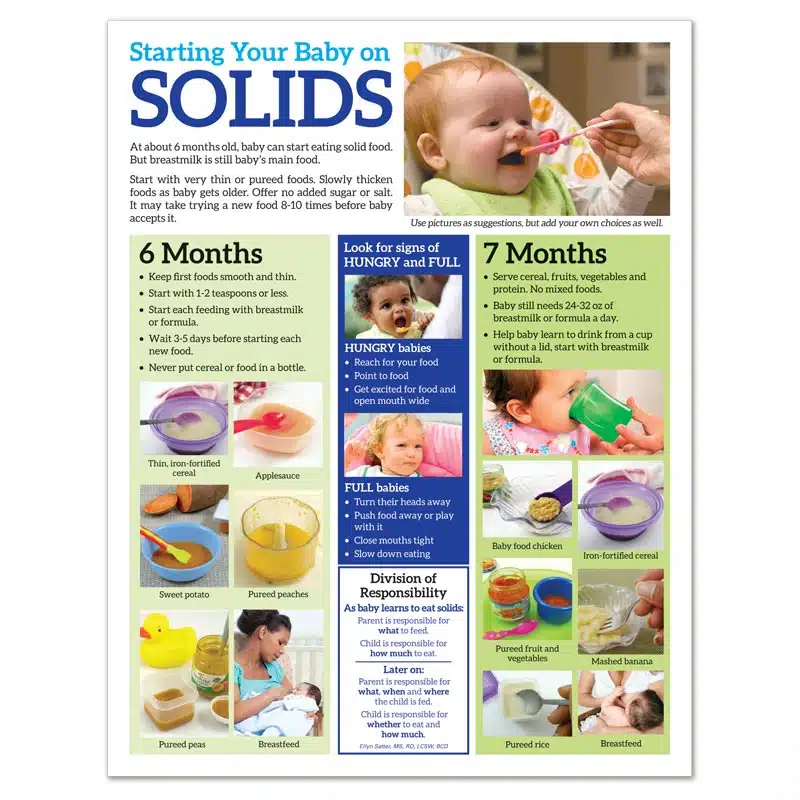
Around the 6-month mark, your baby might start giving you the “I want what you’re having” look. Here are some cues they’re ready to explore the world of solids:
- Sitting up with minimal support: If they’re wobbling less than a Jenga tower, it’s a good sign.
- Good head control: No more bobblehead moments.
- Interest in food: Watching your spoon like it’s the season finale of their favorite show.
- Diminished tongue-thrust reflex: Less food being pushed out means more staying in.
Introducing Solid Foods: The Fun Begins!
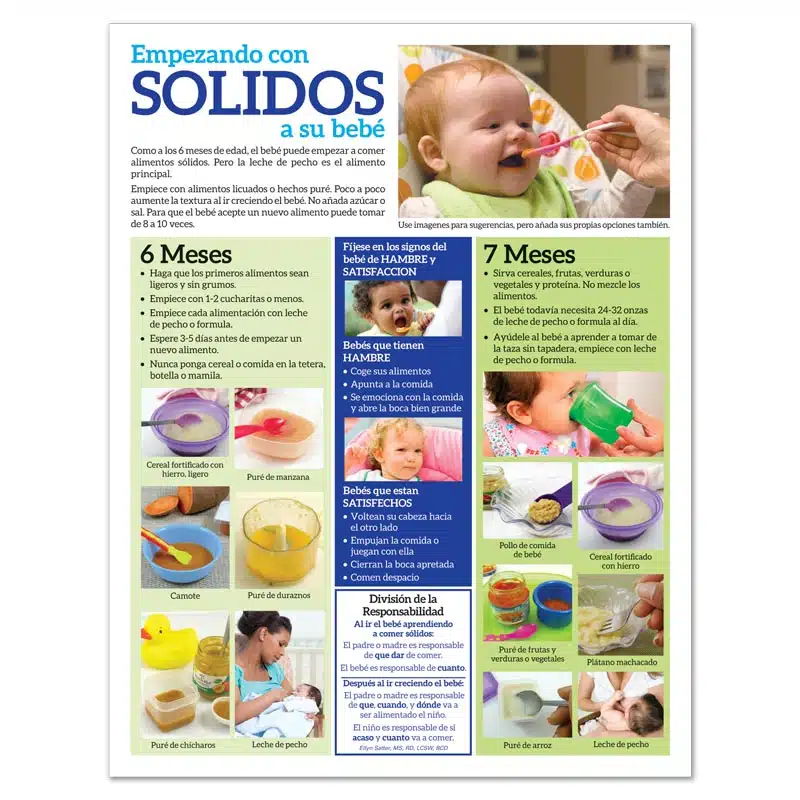
Starting solids is like introducing your baby to a whole new world of flavors and textures. Here’s how to make it a smooth ride:
- Start Simple: Begin with iron-fortified single-grain cereals or pureed vegetables and fruits. Think of it as their culinary soft opening. hopkinsmedicine.org
- One at a Time: Introduce new foods individually, waiting 3-5 days before adding another. This helps identify any potential allergies or intolerances. stanfordchildrens.org
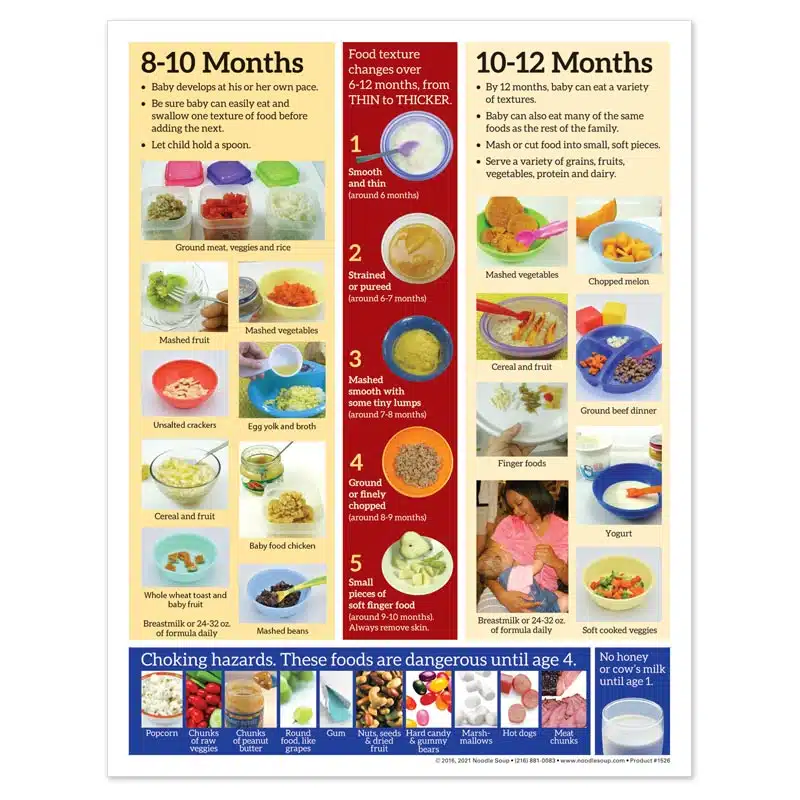
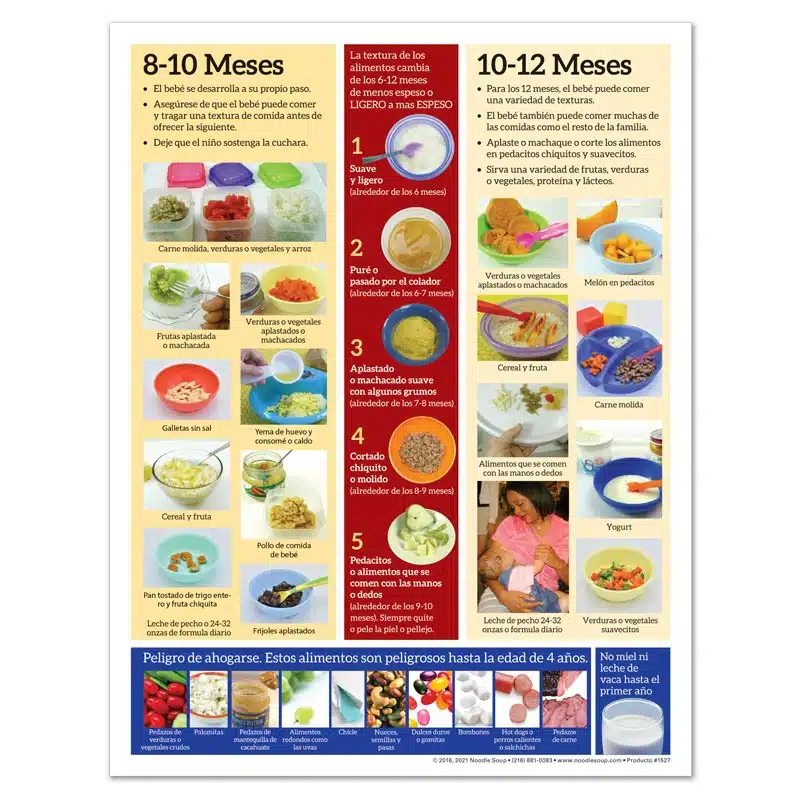
- Texture Progression: Move from purees to mashed foods, and eventually to small, soft chunks as they develop chewing skills.
- Watch for Allergies: Common allergens include peanuts, eggs, and dairy. Introducing these early (around 6 months) may actually help prevent allergies, but always consult with your pediatrician first.
Feeding Tips and Tricks
- Stay Hydrated: Once solids are introduced, offer a few sips of water in a sippy cup during meals to help with digestion.
- Embrace the Mess: Food exploration is a sensory experience. Invest in a good bib and maybe a splash mat. Or two.
- Follow Their Lead: Babies are surprisingly good at regulating their intake. If they turn away or push food aside, respect their cues. No one likes an overzealous waiter.
Foods to Avoid in the First Year
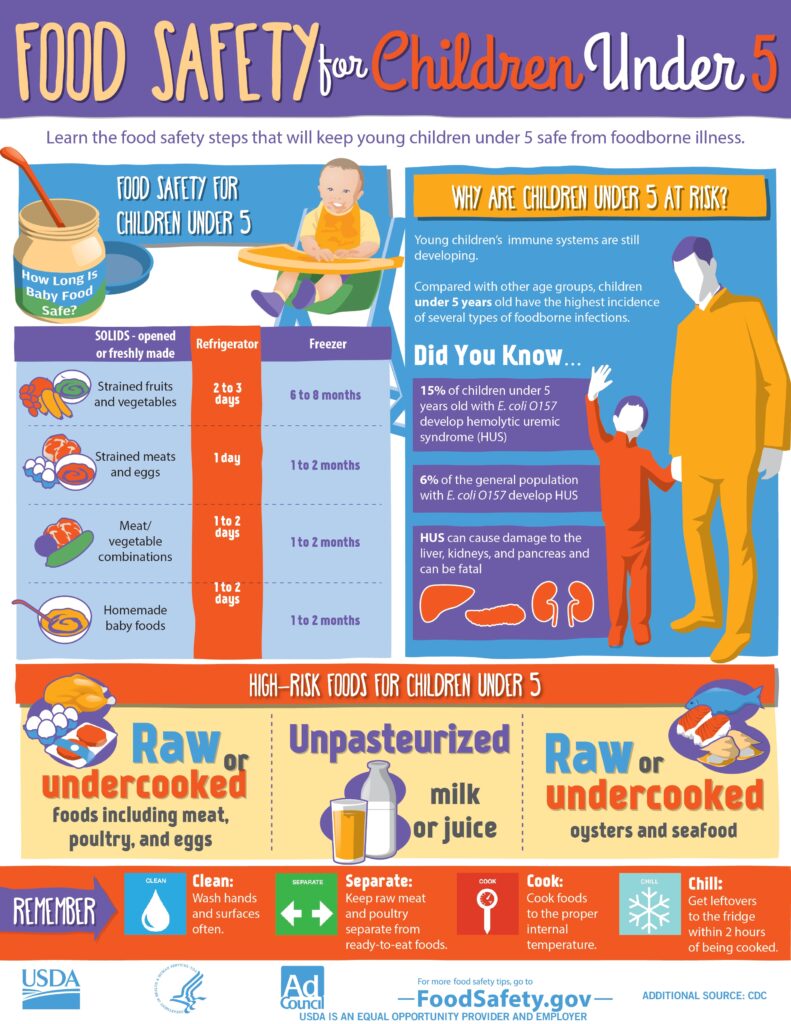
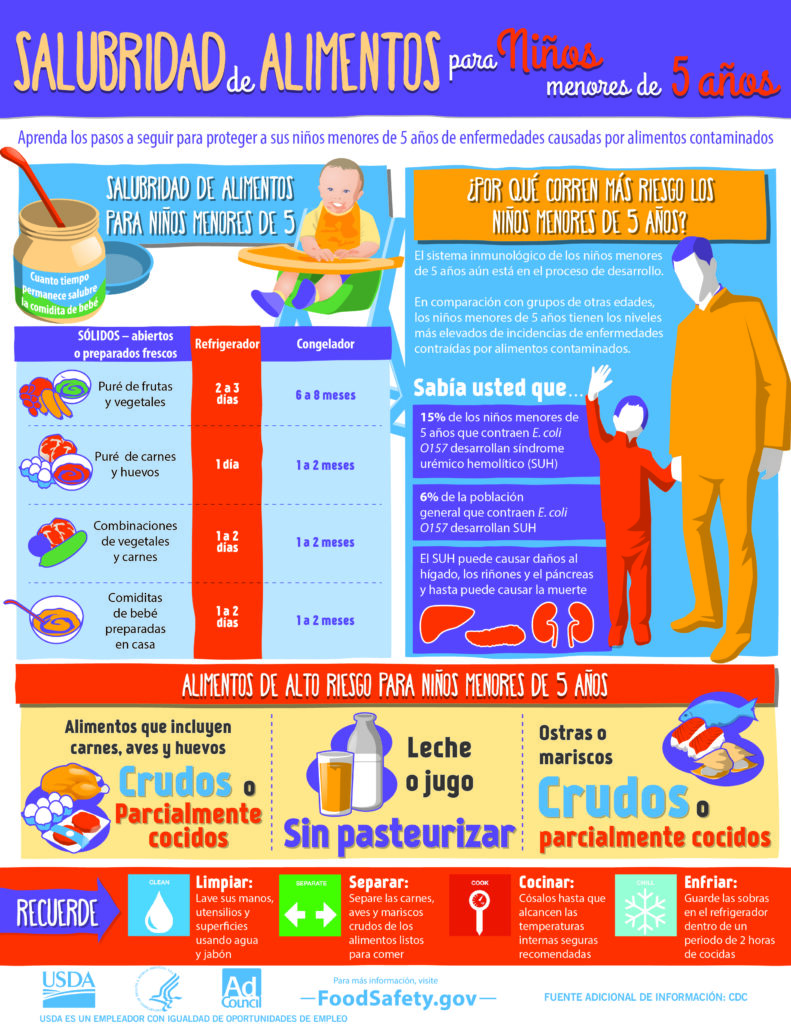
While it’s tempting to share your culinary delights, some foods are best left off the menu:
- Honey: Risk of botulism. Save the sweet stuff for later.
- Cow’s Milk: Stick to breast milk or formula as the main drink until age one.
- Choking Hazards: Whole nuts, popcorn, grapes, and hard candies are no-gos.
A Note on Store-Bought Baby Foods
Recent studies have highlighted that many commercial baby foods don’t meet nutritional standards, often containing high sugar levels and insufficient protein. Whenever possible, prepare fresh, wholesome foods at home to ensure your baby gets the best nutrition.
In Conclusion
Feeding your baby is a journey filled with milestones, messes, and memorable moments. Trust your instincts, lean on evidence-based guidelines, and don’t hesitate to reach out to healthcare professionals with questions. Bon appétit, little one!
Resources and files:
Videos:
English:
Spanish:
Additional Resources:
County Health Departments – Infant Feeding & Nutrition Support
1. Westchester County Department of Health – Maternal and Child Health
- Phone: (914) 813-5000
- Website: https://health.westchestergov.com
- Description: Offers infant nutrition education, developmental readiness screenings for solids, and guidance on common feeding concerns (gagging, texture aversion, allergies).
2. Putnam County Department of Health – Child Health Services
- Phone: (845) 808-1390
- Website: https://www.putnamcountyny.gov/health
- Description: Provides feeding milestone support, advice on starting solids, and referrals to local pediatricians or dietitians.
3. NYS Growing Up Healthy Hotline
- Phone: 1-800-522-5006
- Website: https://www.health.ny.gov
- Description: Offers 24/7 parenting and nutrition guidance, including safe food introductions, feeding patterns, and responsive feeding tips.
Nutrition Programs and Feeding Support
4. WIC – Women, Infants, and Children Program
- Westchester WIC: (914) 995-6350
- Putnam WIC: (845) 279-6997
- Website: https://www.health.ny.gov/prevention/nutrition/wic
- Description: Provides nutritional counseling, breastfeeding/formula guidance, solid food readiness checklists, and free baby food for eligible families.
5. Open Door Family Medical Center
- Locations: Ossining, Port Chester, Mt. Kisco, Sleepy Hollow, Mamaroneck, Brewster
- Phone: (914) 632-2737
- Website: https://www.opendoormedical.org
- Description: Pediatric nutrition services including growth tracking, guidance on solid food introduction, and counseling for picky eating or feeding delays.
6. Sun River Health (formerly HRHCare)
- Peekskill Pediatric Site: (914) 734-8530
- Website: https://www.sunriver.org
- Description: Offers pediatric care with nutrition support, developmental screenings for readiness, and family education on creating safe, balanced first foods.
Home Visiting & Parent Coaching
7. Healthy Families Putnam (MISN)
- Phone: (845) 561-3575
- Website: https://misn-ny.org/healthy-families-putnam
- Description: Provides home-based coaching on when and how to introduce solids, common feeding stages, and cultural food preferences.
8. Child Care Council of Westchester
- Phone: (914) 761-3456
- Website: https://www.childcarewestchester.org
- Description: Offers caregiver and parent training on infant nutrition, safe food prep, and how to build healthy habits from the start.
9. Westchester County Early Intervention Program
- Phone: (914) 813-5094
- Website: https://health.westchestergov.com/early-intervention
- Description: Provides evaluation and support for infants with feeding delays or oral-motor concerns as they transition to solids.
National Resources on Infant Nutrition
10. HealthyChildren.org – American Academy of Pediatrics
- Website: https://www.healthychildren.org
- Description: Pediatrician-backed advice on when to start solids, which foods to avoid, choking hazards, and sample feeding schedules.
11. U.S. Department of Agriculture (USDA) – MyPlate for Infants & Toddlers
- Website: https://www.myplate.gov/life-stages/infants
- Description: Government guidelines for introducing foods, nutrient-rich meal planning, and preventing picky eating from the start.
Bibliography
- HealthyChildren.org. (n.d.). Starting Solid Foods. Retrieved from https://www.healthychildren.org/English/ages-stages/baby/feeding-nutrition/Pages/Starting-Solid-Foods.aspx
- Stanford Medicine Children’s Health. (n.d.). Feeding Guide for the First Year. Retrieved from https://www.stanfordchildrens.org/en/topic/default%3Fid%3Dfeeding-guide-for-the-first-year-90-P02209
- Johns Hopkins Medicine. (n.d.). Feeding Guide for the First Year. Retrieved from https://www.hopkinsmedicine.org/health/wellness-and-prevention/feeding-guide-for-the-first-year
- Parents.com. (2023). Most Baby & Toddler Foods Don’t Meet Nutrition Standards, Study Finds. Retrieved from https://www.parents.com/baby-and-toddler-food-nutrition-standards-8702287
Resources and documents sources:
Legal Disclaimer: The information provided by our nonprofit is for informational purposes only and not a substitute for professional medical advice, diagnosis, or treatment. Always consult a qualified healthcare provider for medical concerns. We make no guarantees about the accuracy or completeness of the information and are not liable for any decisions made based on it. If you have a medical emergency, call 911 or seek immediate medical care.