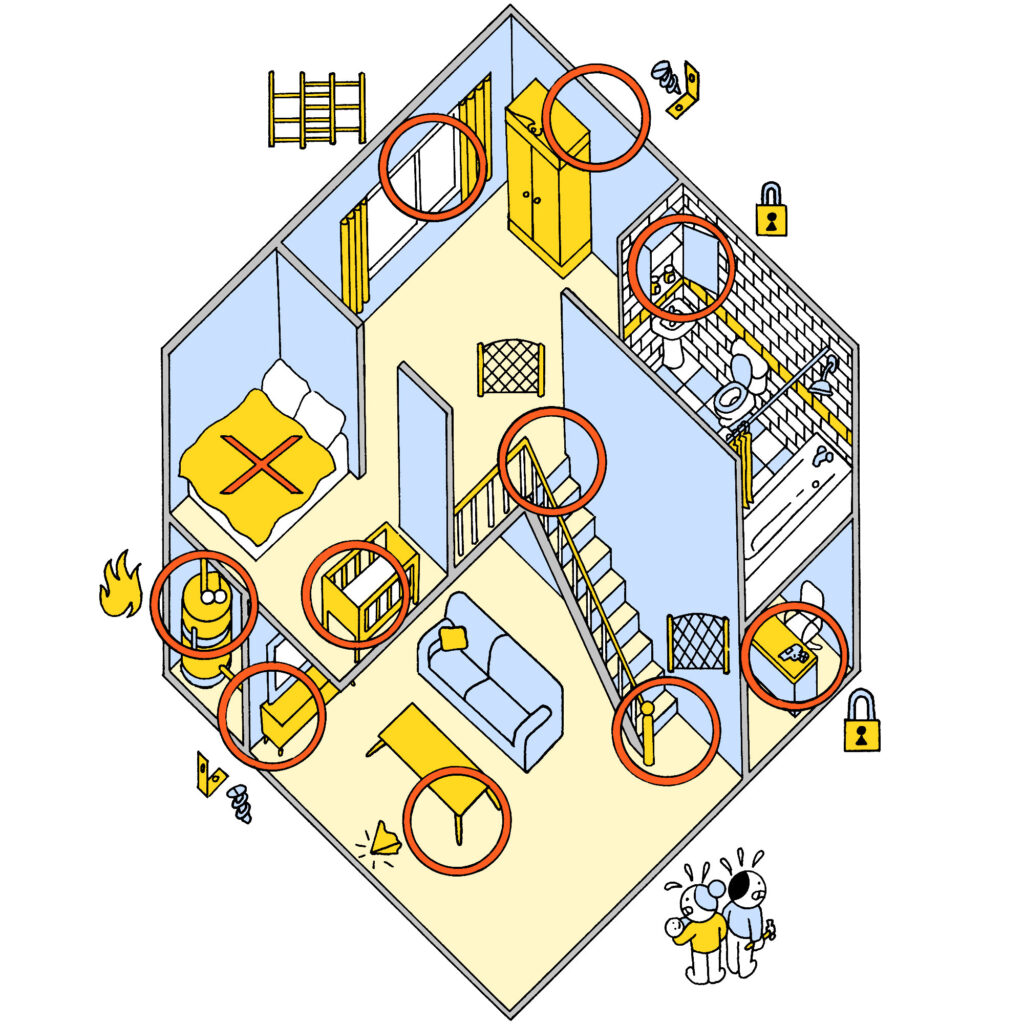

What is SIDS?
Sudden Infant Death Syndrome (SIDS) is the unexpected and unexplained death of an otherwise healthy baby under one year of age. It usually happens during sleep, which is why safe sleep practices are so important (CDC, 2023).
While the exact cause of SIDS is unknown, researchers believe it may be linked to a combination of factors, including brain development, sleep environment, and breathing regulation. The good news is that following safe sleep guidelines can greatly reduce the risk and help keep your baby safe.
Key Safe Sleep Practices
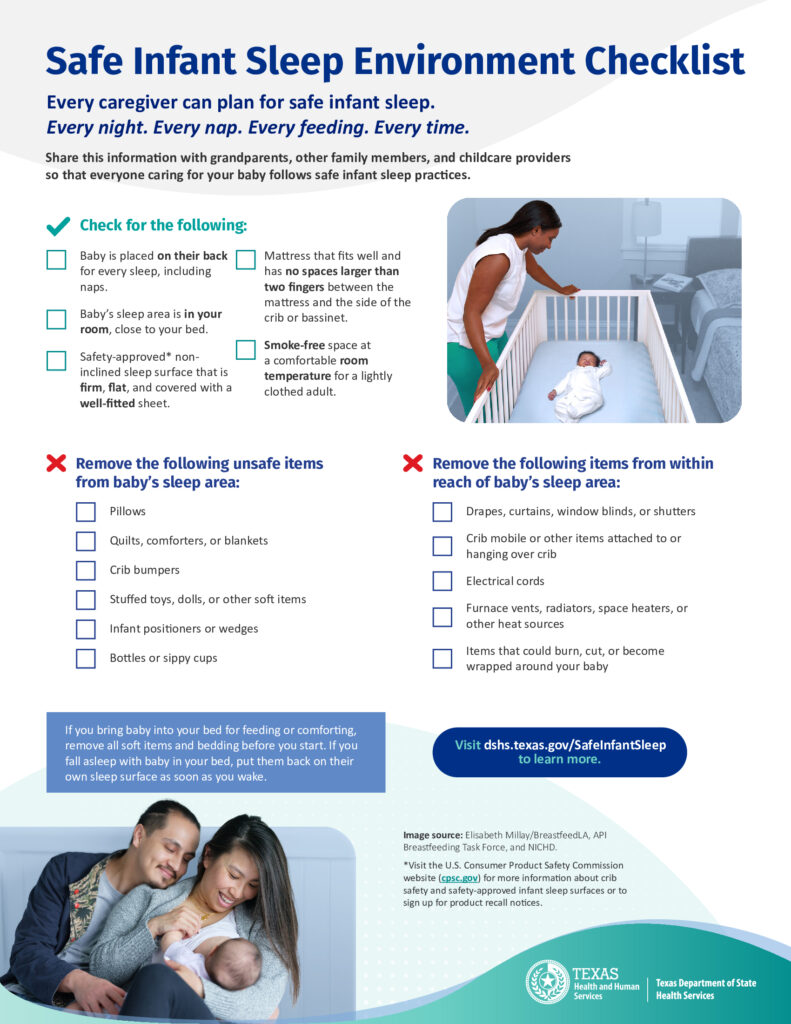
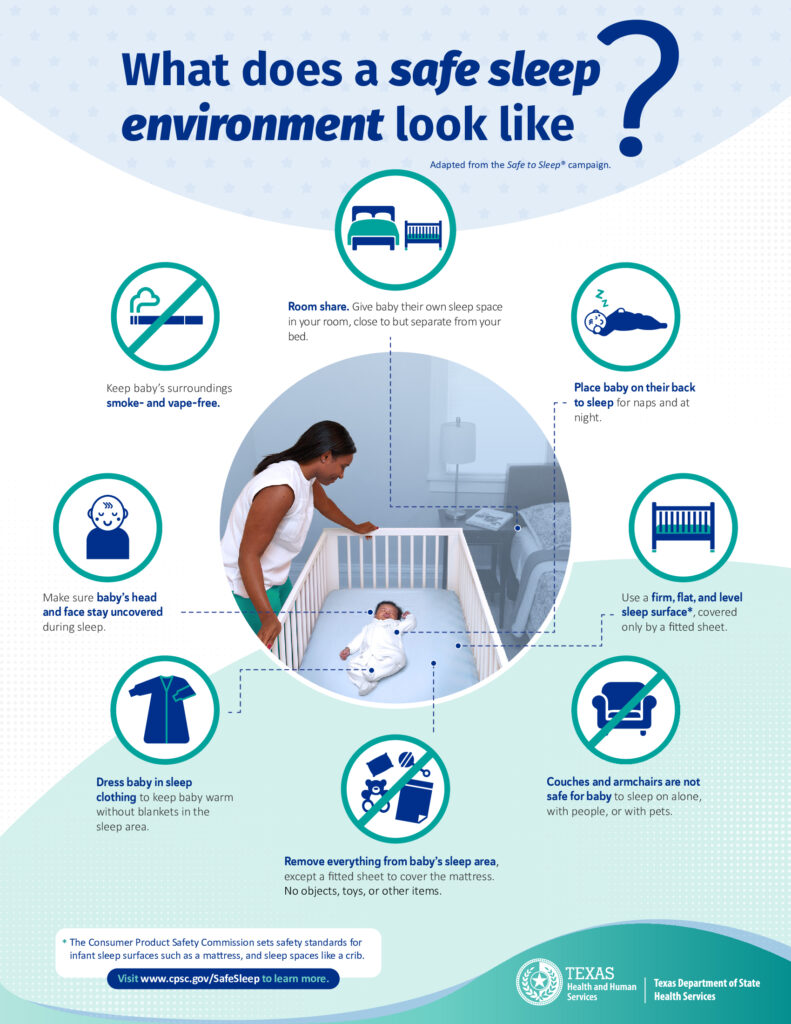
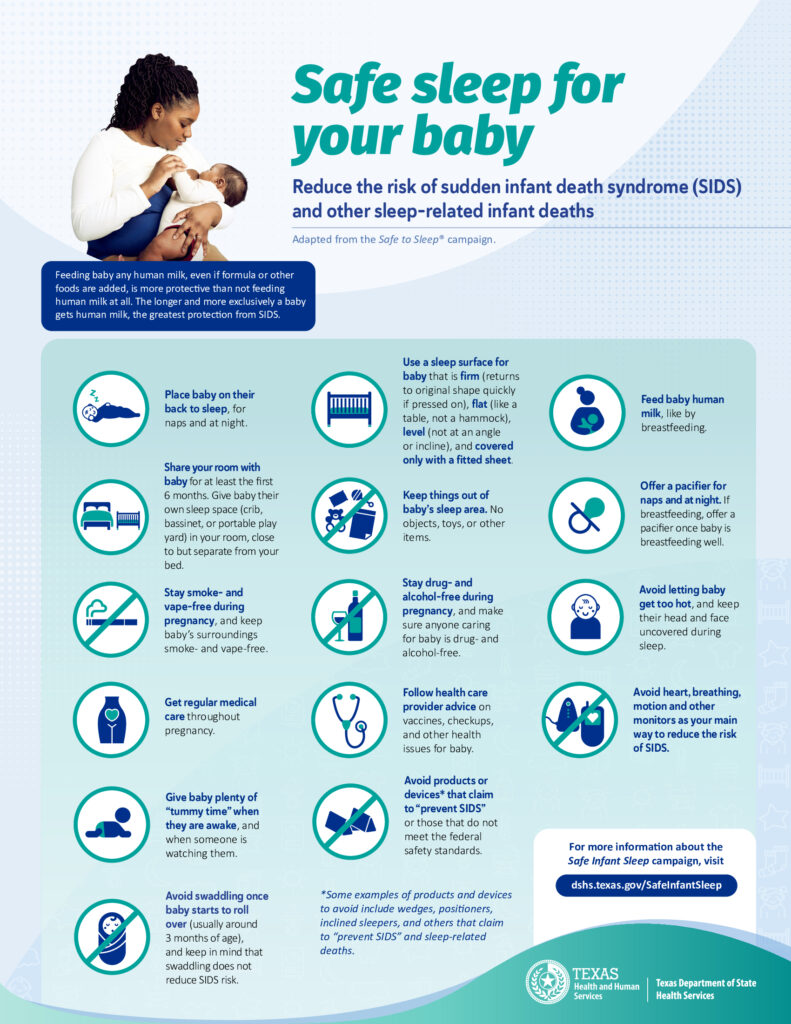
- Back to Sleep:
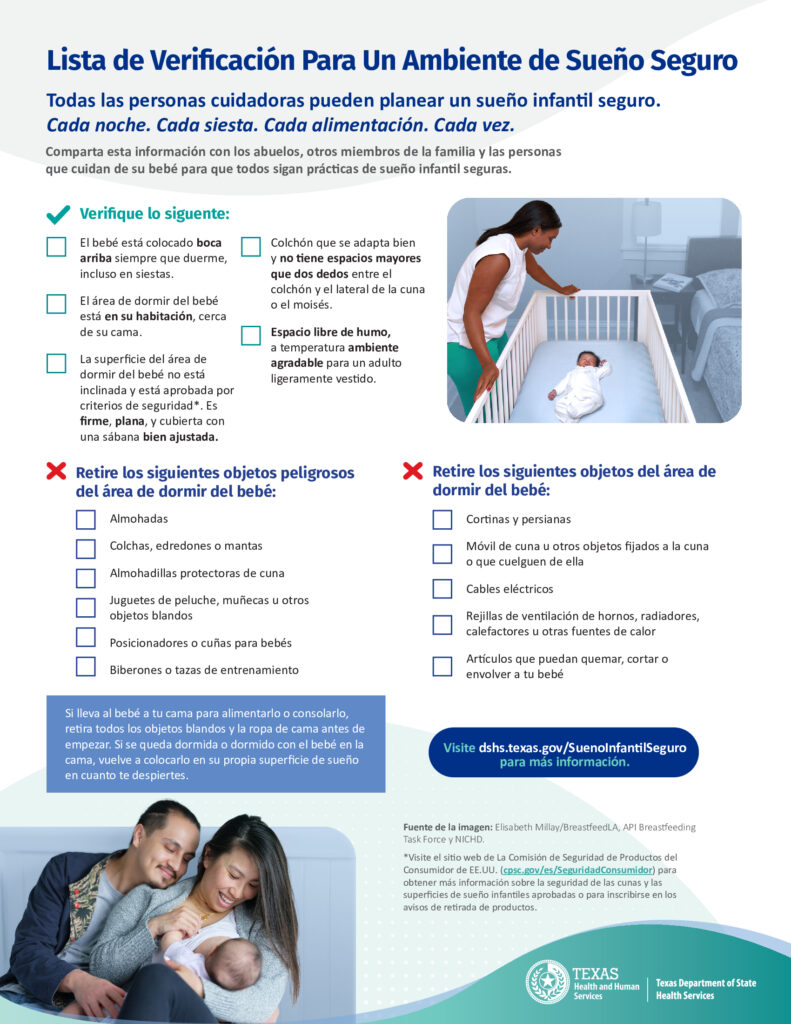
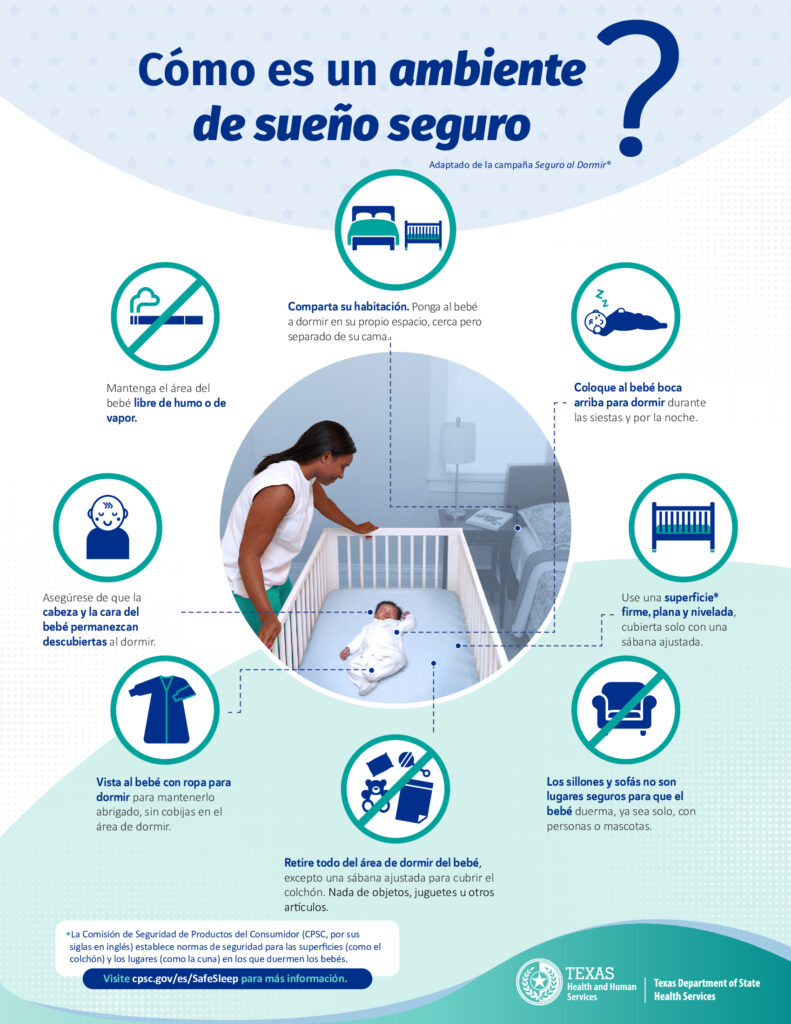
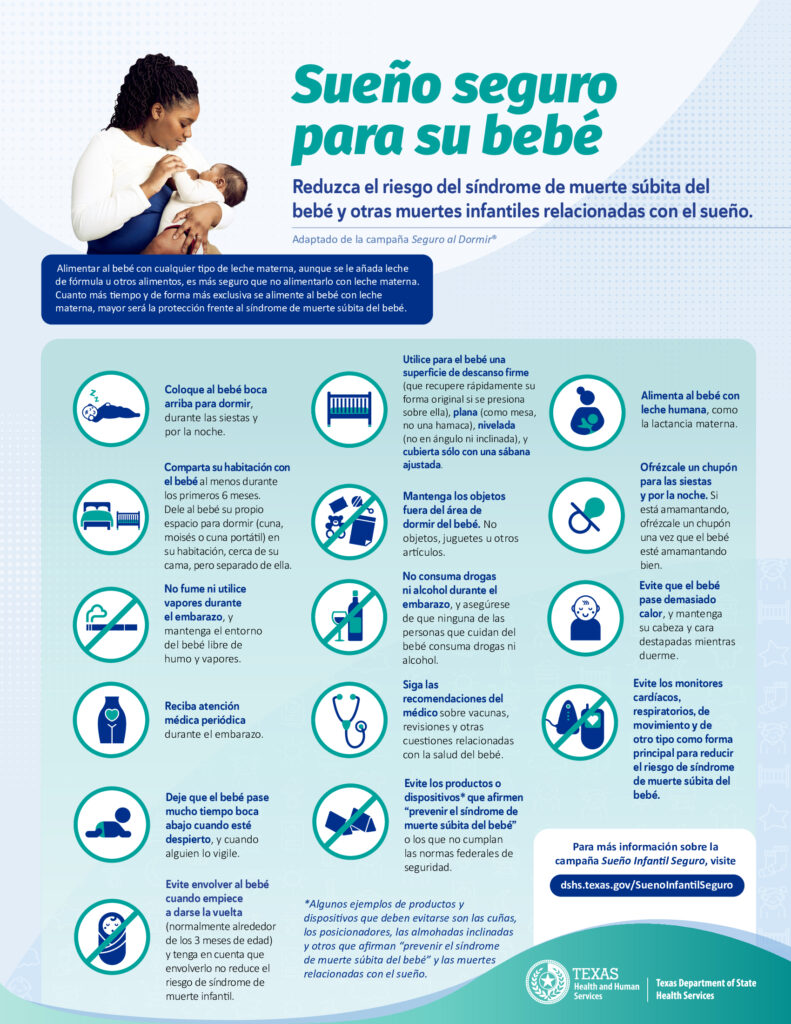
- Always place your baby on their back for every sleep, including naps and nighttime.
- This position is proven to reduce the risk of SIDS by keeping airways open (CDC, 2023).
- Use a Firm Sleep Surface:
- Your baby should sleep on a firm mattress in a crib, bassinet, or playpen.
- Avoid soft surfaces like couches, adult beds, and pillows, which increase the risk of suffocation (Nationwide Children’s, 2023).
- Keep the Sleep Area Bare:
- No blankets, pillows, bumper pads, or stuffed animals in the crib.
- Use a sleep sack or wearable blanket instead of loose blankets (AAP, 2023).
- Room Share, Don’t Bed Share:
- Keep your baby’s crib in your room for at least the first 6-12 months.
- Bed sharing increases the risk of suffocation, even if you are a light sleeper (NHS, 2023).
- Maintain a Comfortable Temperature:
- Babies should sleep in light clothing to avoid overheating.
- A cool room (68-72°F or 20-22°C) is best for safe sleep (Safe to Sleep, 2023).
- Offer a Pacifier:
- Pacifiers reduce the risk of SIDS but don’t force it if your baby refuses.
- If breastfeeding, wait until breastfeeding is well-established before introducing one (AAP, 2023).
- Avoid Smoke Exposure:
- Secondhand smoke increases SIDS risk. Make sure no one smokes near your baby or in the home (NHS, 2023).
- Breastfeed If Possible:
- Breastfeeding has been shown to cut the risk of SIDS in half.
- Even partial breastfeeding offers protection (AAP, 2023).
- Supervised Tummy Time:
- While babies should sleep on their backs, supervised tummy time during the day helps strengthen muscles and prevents flat spots on the head (CDC, 2023).
Reassurance for Parents
We know that SIDS can sound scary, but the most important thing to remember is that it is rare. By following safe sleep practices, you are already doing everything you can to protect your baby.
- Most babies sleep safely when parents follow these guidelines.
- SIDS rates have dropped significantly since safe sleep recommendations were introduced.
- Trust yourself—you are already doing a great job keeping your baby safe!
If you have concerns or questions, always reach out to your pediatrician. You are not alone, and there are many resources available to support you.
Videos for Safe Sleep Practices
- English:
- Spanish:
Additional Resources:
County Health Departments – Safe Sleep Education & Support
1. Westchester County Department of Health – Maternal and Child Health Services
- Phone: (914) 813-5000
- Website: https://health.westchestergov.com
- Description: Offers safe sleep education for parents and caregivers, including guidance on crib setup, sleep positioning, and reducing risk factors associated with Sudden Infant Death Syndrome (SIDS).
2. Putnam County Department of Health – Infant & Child Health Division
- Phone: (845) 808-1390
- Website: https://www.putnamcountyny.gov/health
- Description: Provides information and referrals related to infant sleep safety, including educational materials and community programs promoting SIDS prevention.
3. NYS Growing Up Healthy Hotline
- Phone: 1-800-522-5006
- Website: https://www.health.ny.gov
- Description: 24/7 state helpline offering safe sleep guidance and local resource connections for families with newborns.
Community Health Centers – Sleep Safety Guidance
4. Open Door Family Medical Center
- Phone: (914) 632-2737
- Website: https://www.opendoormedical.org
- Locations: Ossining, Mt. Kisco, Port Chester, Sleepy Hollow, Brewster, Mamaroneck
- Description: Pediatric providers educate parents on safe sleep practices, such as using a firm mattress, avoiding co-sleeping, and placing babies on their backs to sleep.
5. Sun River Health (formerly HRHCare)
- Peekskill Pediatric Site: (914) 734-8530
- Website: https://www.sunriver.org
- Description: Offers newborn care visits that include sleep safety counseling and distribution of sleep-related educational materials.
Home Visiting & Safe Sleep Training
6. Nurse-Family Partnership – Westchester County DOH
- Phone: (914) 813-5094
- Website: https://health.westchestergov.com/nurse-family-partnership
- Description: Pairs first-time parents with nurses who provide education on safe sleep environments, room sharing without bed sharing, and signs of unsafe sleep conditions.
7. Healthy Families Putnam (MISN)
- Phone: (845) 561-3575
- Website: https://misn-ny.org/healthy-families-putnam
- Description: Offers in-home support for new parents with a focus on infant care, including crib safety, sleep positioning, and understanding SIDS risk factors.
Crib Distribution & Sleep Safety Supplies (for eligible families)
8. Westchester County Office for Women – Family Resources
- Phone: (914) 995-5972
- Website: https://women.westchestergov.com
- Description: Can connect low-income families to safe sleep resources, including possible crib assistance through partner agencies or infant care grants.
9. WIC – Women, Infants, and Children Program
- Westchester WIC: (914) 995-6350
- Putnam WIC: (845) 279-6997
- Website: https://www.health.ny.gov/prevention/nutrition/wic
- Description: Offers education on sleep positioning and routine as part of overall newborn health support. May provide sleep safety handouts or referrals for safe sleep products.
National Resources on Safe Sleep & SIDS Prevention
10. Safe to Sleep® – NIH/National Institute of Child Health and Human Development
- Website: https://safetosleep.nichd.nih.gov
- Description: Leading national source on SIDS prevention, offering downloadable materials, crib safety checklists, and public health campaigns.
11. HealthyChildren.org – American Academy of Pediatrics
- Website: https://www.healthychildren.org
- Description: Pediatrician-approved guidance on best sleep practices, SIDS risk factors, and answers to common parent questions about nighttime safety.
Bibliography
- Centers for Disease Control and Prevention (CDC)
- Helping Babies Sleep Safely
- Retrieved from: https://www.cdc.gov/reproductive-health/features/babies-sleep.html
- American Academy of Pediatrics (AAP)
- How to Keep Your Sleeping Baby Safe
- Retrieved from: https://www.healthychildren.org/English/ages-stages/baby/sleep/Pages/a-parents-guide-to-safe-sleep.aspx
- Nationwide Children’s Hospital
- Safe Sleep Practices for Babies
- Retrieved from: https://www.nationwidechildrens.org/family-resources-education/health-wellness-and-safety-resources/helping-hands/safe-sleep-practices-for-babies
- National Health Service (NHS)
- Reduce the Risk of Sudden Infant Death Syndrome (SIDS)
- Retrieved from: https://www.nhs.uk/conditions/baby/caring-for-a-newborn/reduce-the-risk-of-sudden-infant-death-syndrome/
- Safe to Sleep Campaign
- Safe Sleep Environment
- Retrieved from: https://safetosleep.nichd.nih.gov/reduce-risk/safe-sleep-environment
Images sources:
1.Pinnaxis
2. Baby Safety: Keeping Your Baby Safe From SIDS While Sleeping FREE SHIPPING
By following these simple steps, you are helping your baby sleep safely and soundly. You’re doing a great job, and your little one is lucky to have such a caring parent! 😊
Legal Disclaimer: The information provided by our nonprofit is for informational purposes only and not a substitute for professional medical advice, diagnosis, or treatment. Always consult a qualified healthcare provider for medical concerns. We make no guarantees about the accuracy or completeness of the information and are not liable for any decisions made based on it. If you have a medical emergency, call 911 or seek immediate medical care.