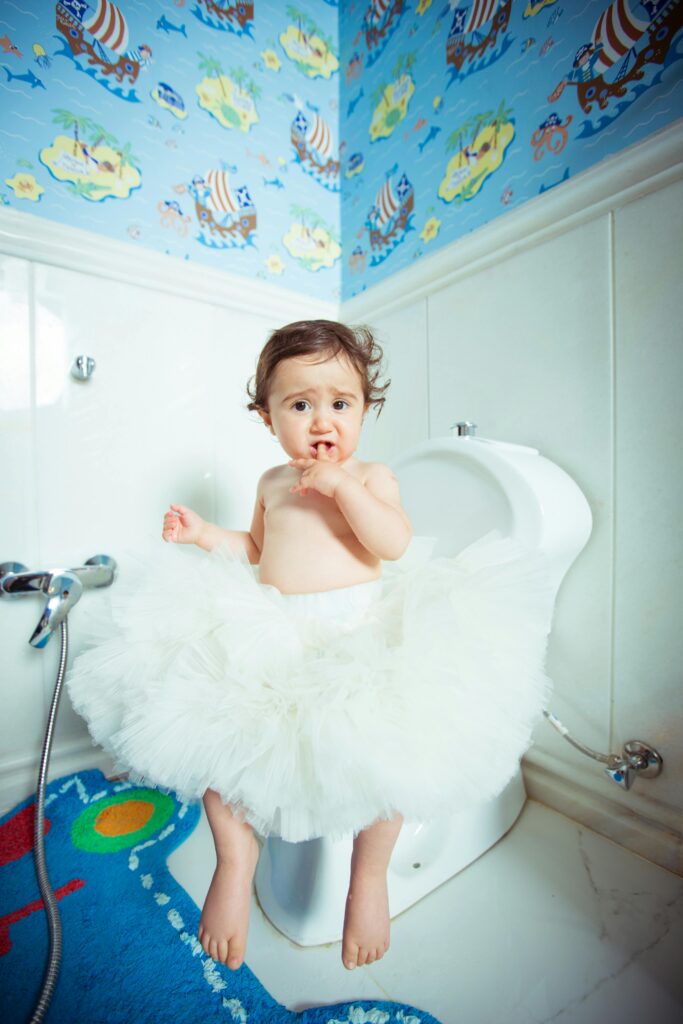
Why Hygiene Matters at Age 4
Four-year-olds are becoming more independent every day. They want to do things by themselves and feel proud when they succeed. Teaching good hygiene habits now helps them stay healthy and builds confidence for the future.
At this age, children can learn the basic skills they need to take care of themselves. They may not do everything perfectly, but they can start to understand why staying clean is important. Good hygiene habits learned early become automatic as children grow older.
Teaching hygiene also helps prevent illness. When children wash their hands regularly and keep their bodies clean, they get sick less often. This means fewer missed school days and more time for fun activities.
Essential Hygiene Skills for 4-Year-Olds
Your 4-year-old can learn several important hygiene skills. Focus on one skill at a time to avoid overwhelming them.
Hand Washing: This is the most important hygiene skill. Children should wash their hands:
- Before eating meals or snacks
- After using the bathroom
- After playing outside
- After touching pets
- After coughing or sneezing
Tooth Brushing: Four-year-olds can start brushing their own teeth with help. They should brush:
- Twice a day (morning and bedtime)
- For two minutes each time
- With a soft-bristled toothbrush
- Using fluoride toothpaste (pea-sized amount)
Bathing: Children this age can help with bathing but still need supervision. They can:
- Wash their arms and legs
- Help shampoo their hair
- Use soap to clean their body
- Dry themselves with a towel
Face Washing: Four-year-olds can learn to wash their face each morning and before bed. They should:
- Use warm water and gentle soap
- Wash around their eyes, nose, and mouth
- Dry their face with a clean towel
- Do this routine daily
Making Hygiene Fun and Easy
Children learn best when activities are enjoyable. Here are ways to make hygiene habits more appealing:
Create Routines:
- Use the same order for hygiene tasks each day
- Make a picture chart showing each step
- Play the same song during tooth brushing time
- Set up regular times for baths and face washing
Use Fun Tools:
- Let them pick out their own toothbrush and toothpaste
- Use colorful soap or fun-shaped soap dispensers
- Get special towels with their favorite characters
- Use a step stool so they can reach the sink easily
Make It Social:
- Brush teeth together as a family
- Sing songs while washing hands
- Tell stories during bath time
- Praise them for doing hygiene tasks well
Use Timers and Games:
- Set a timer for proper hand washing (20 seconds)
- Count to 120 while brushing teeth
- Play “find the germs” games while washing
- Use mirrors so they can watch themselves
Teaching Proper Techniques
Each hygiene skill has specific steps that help children do it correctly.
Proper Hand Washing Steps:
- Wet hands with clean water
- Put soap on hands and rub together
- Scrub all parts of hands for 20 seconds
- Rinse hands with clean water
- Dry with a clean towel
Tooth Brushing Steps:
- Put pea-sized amount of toothpaste on brush
- Brush front teeth in small circles
- Brush back teeth the same way
- Brush the chewing surfaces
- Spit out toothpaste and rinse mouth
Face Washing Steps:
- Wet face with warm water
- Put a small amount of soap on hands
- Gently wash all parts of face
- Rinse face with clean water
- Pat dry with a clean towel
Common Challenges and Solutions
Many parents face similar challenges when teaching hygiene habits. Here are solutions that work:
“I Don’t Want To” Attitude:
- Give choices: “Do you want to use the blue soap or the pink soap?”
- Make it a game: “Let’s see who can make the most bubbles”
- Use positive rewards: sticker charts or special privileges
- Stay calm and patient during resistance
Forgetting to Do It:
- Create visual reminders like charts or pictures
- Build hygiene into daily routines
- Set gentle reminders without nagging
- Practice the same routine every day
Doing It Too Fast:
- Use timers to show how long each task should take
- Sing songs that last the right amount of time
- Do the activity together so they can follow your pace
- Praise them when they take their time
Fear of Water or Soap:
- Start with small amounts of water
- Use tear-free products for sensitive children
- Let them control the water temperature
- Make bath time fun with toys and games
Building Independence Gradually
Four-year-olds want to feel capable and independent. Support this by:
Starting Small:
- Let them turn on the water faucet
- Have them squeeze their own toothpaste
- Allow them to pick out their own washcloth
- Give them simple tasks they can complete alone
Providing Support:
- Stay nearby to help when needed
- Offer encouragement and praise
- Fix mistakes without criticism
- Celebrate their efforts, not just results
Increasing Responsibility:
- Add new tasks as they master old ones
- Let them remind you when it’s time for hygiene activities
- Allow them to help younger siblings
- Give them ownership of their hygiene supplies
Creating a Hygiene-Friendly Environment
Set up your home to support good hygiene habits:
Bathroom Setup:
- Keep step stools near sinks
- Store toothbrushes and toothpaste within reach
- Have clean towels available at child height
- Use child-friendly soap dispensers
Supplies:
- Stock up on child-sized hygiene products
- Keep extra supplies easily accessible
- Replace items before they run out
- Let your child help choose new products
Organization:
- Create a specific place for each hygiene item
- Use bins or baskets to keep things organized
- Label storage areas with pictures
- Keep the bathroom clean and inviting
Health Benefits of Good Hygiene
Teaching hygiene habits helps your child in many ways:
Physical Health:
- Reduces risk of colds and flu
- Prevents tooth decay and gum disease
- Keeps skin healthy and clean
- Reduces risk of stomach illness
Social Benefits:
- Helps them feel confident around other children
- Prevents embarrassing situations
- Shows respect for others
- Builds positive relationships
Emotional Benefits:
- Increases self-confidence
- Creates sense of accomplishment
- Reduces anxiety about cleanliness
- Helps them feel grown-up and capable
When to Seek Help
Most children learn hygiene habits with patience and practice. However, contact your pediatrician if:
- Your child refuses to participate in hygiene activities for weeks
- They show signs of skin irritation or dental problems
- They have persistent fear of water or bathing
- You have concerns about their physical development
Remember that every child develops at their own pace. Some 4-year-olds may master these skills quickly, while others need more time and support.
Making It a Family Priority
Good hygiene habits work best when the whole family participates. Show your child that hygiene is important by:
- Modeling good hygiene habits yourself
- Making hygiene a regular part of family routines
- Talking positively about staying clean and healthy
- Supporting each other’s hygiene efforts
When hygiene becomes a normal part of daily life, your child will carry these important habits with them as they grow. The skills they learn now will help them stay healthy and confident throughout their lives.
Teaching hygiene to your 4-year-old takes patience, creativity, and consistency. With your support and encouragement, they can develop the habits they need to take care of themselves and feel proud of their independence.
Video Resources:
English:
Spanish:
Westchester County Resource List
Teaching Hygiene Habits to Your 4-Year-Old
Parenting & Child Development Support
- Westchester Jewish Community Services
Offers parenting support, family counseling, child behavioral services, and early childhood programs that help families build healthy daily routines and self-care habits.
Phone: (914) 761-0600
Website: Westchester Jewish Community Services - Family Services of Westchester
Provides family support services, parenting education, and child wellness resources focused on healthy childhood development and routines.
Phone: (914) 937-2320
Website: Family Services of Westchester - Child Care Council of Westchester
Offers parenting workshops, childcare resources, and educational support related to early childhood development and healthy habits.
Phone: (914) 761-3456
Website: Child Care Council of Westchester
Health & Hygiene Resources
- Westchester County Department of Health
Provides public health education, childhood wellness information, handwashing guidance, illness prevention tips, and community health resources for families.
Phone: (914) 813-5000
Website: Westchester County Department of Health - American Academy of Pediatrics HealthyChildren.org
Offers evidence-based guidance on bathing, brushing teeth, handwashing, toileting, sleep routines, and teaching independence with hygiene habits.
Website: HealthyChildren.org - Centers for Disease Control and Prevention
Provides resources on handwashing, illness prevention, healthy routines, and child wellness practices for families and schools.
Website: CDC Healthy Habits Resources
Dental & Oral Health Support
- Open Door Family Medical Center
Provides pediatric healthcare and dental services for children and families in Westchester County.
Website: Open Door Family Medical Center - Westchester Community Health Center
Offers pediatric care, family health services, and preventive care resources for children.
Website: Westchester Community Health Center - American Dental Association MouthHealthy Kids
Provides child-friendly guidance on brushing teeth, flossing, healthy eating, and pediatric dental care.
Website: MouthHealthy Kids
Bibliography
- American Academy of Pediatrics. HealthyChildren.org Parenting Resources.
HealthyChildren.org - Centers for Disease Control and Prevention. Hygiene and Healthy Habits Resources.
CDC Hygiene Resources - American Dental Association. MouthHealthy Kids Resources.
MouthHealthy Kids - National Association for the Education of Young Children. Family Resources.
NAEYC Family Resources - Westchester County Department of Health. Public Health Resources.
Westchester County Department of Health
Legal Disclaimer: The information provided by our nonprofit is for informational purposes only and not a substitute for professional medical advice, diagnosis, or treatment. Always consult a qualified healthcare provider for medical concerns. We make no guarantees about the accuracy or completeness of the information and are not liable for any decisions made based on it. If you have a medical emergency, call 911 or seek immediate medical care.